'Climate Anxiety': Growing Anxiety as The Planet Heats Up
Duwi Setiya Ariyanti • Author
08 October 2026

29
• 5 Minutes Read
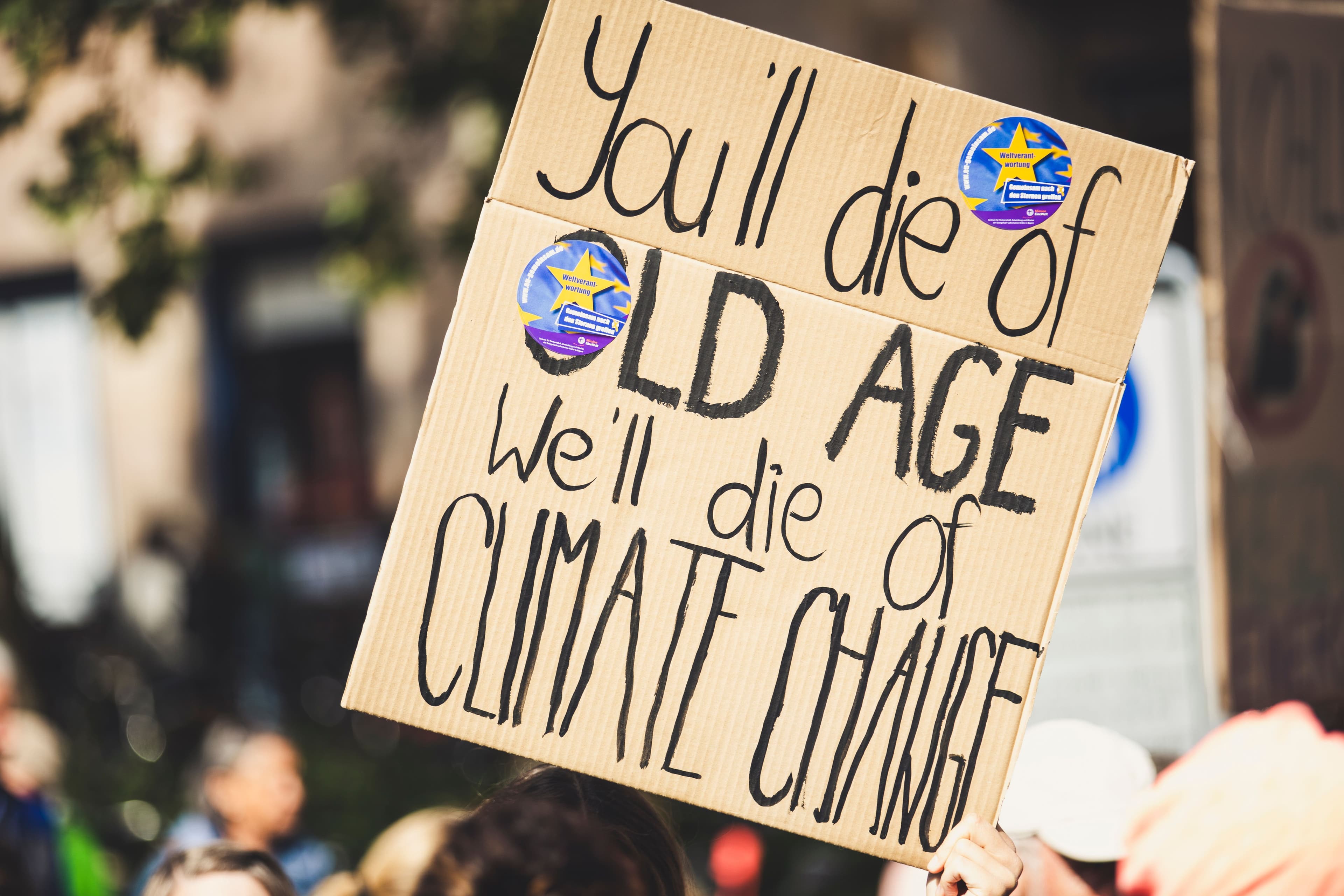
A series of disasters filling our social media feeds and news headlines is not something we can easily avoid. More than just photos, videos, or articles, they are real-life reflections of what is happening beyond the walls of our homes. From floods caused by melting glaciers in Nepal to severe flooding in Japan, Thailand, and Indonesia, such events evoke both deep concern and anxiety regarding the state of our planet. This constant barrage of disasters and negative news leaves us feeling uneasy and begins to consider a gloomy outlook for what could happen tomorrow.
This series of disasters cannot be separated from climate change driven by rising global temperatures. Recent data indicates that global temperatures are set to exceed 1.5°C within the next few years. This means the risks and impacts associated with rising temperature will intensify with each passing year. Extreme weather, ecosystem loss, and the submergence of small islands are impacts that must be anticipated. Furthermore, severe damage to human health, food security, water supplies, nature, cities, infrastructure, and the economy will also follow.
Feelings of concern and anxiety about current and future conditions are perfectly valid when faced with a constant stream of news about disasters resulting from ongoing environmental damage. These feelings can give rise to a condition known as climate anxiety.
What is climate anxiety?
Climate anxiety refers to the negative stress resulting from climate change and its impact on the natural world and humanity. Climate anxiety involves the sudden emergence of thoughts and usually contradicts with one’s conscious thinking, or feelings of stress about future disasters and the state of the world and everything within it. Physically, it is frequently associated with symptoms such as an increased heart rate and shortness of breath.
Two experts from Yale University: Anthony Leiserowitz and Sarah Lowe explain more about this condition.
There is a distinction between “climate anxiety” and ordinary worry. Worry exists on a healthier spectrum because it motivates people to figure out how to address the underlying trigger. In the context of climate change, such worry is necessary to encourage more people to take concrete actions to reduce its harmful impacts. There are also concerns, a more general state of mind, that does not prompt action in the same way worry does.
But when it reaches the point of “climate anxiety”, it becomes more distressing and can leave individuals overwhelmed by their worries.
Over the past 20 years, experts have discussed a number of conditions associated with climate anxiety, including “ecological grief”, a sense of longing or sadness that arises as people witness changes in the ecosystem, as well as “solastalgia”, a feeling of nostalgia for the environmental conditions of one’s home in relation to how those conditions should be.
Description of climate anxiety is reflected in a 2022 survey of 1,085 respondents in the United States which showed that 10% of respondents felt anxious about global warming at least a few days a week. Meanwhile, 9% were unable to stop or control their worries about global warming, and 7% experienced a decrease in interest or enjoyment in certain activities due to global warming.
Although climate anxiety is experienced by a small percentage of respondents, this does not diminish the urgency of the climate change issue. Notably, more than half, or 58%, understand that global warming is largely caused by humans, and 47% have experienced its impacts.
In Indonesia, climate anxiety has begun to attract the attention of Google browser users. According to Google data as of Tuesday, October 6, 2026 indicates that, over the past five years, searches for the keyword “climate anxiety” started to rise in November 2025 and peaked in February 2026 and began climbing again in September 2026. Searches for this keyword originated from users in North Sumatra, Bali, and all provinces across Java.
How to ease climate anxiety?
Environmental destruction, disasters, loss of life, and the experiences of survivors are painful realities to confront. Yet they are the reality we must face.
To cope with climate anxiety, some respondents, as seen in the experiences of respondents in the United States, choose to avoid information about global warming. Exposure to negative news, such as massive natural disasters and mass shootings, tends to exacerbate psychiatric symptoms.
Therefore, experts at Yale University recommend that individuals wisely manage their exposure to information to avoid feeling overwhelmed. This does not mean cutting off access to news entirely, as there is a difference between getting the facts and repeatedly reading articles about the same story often accompanied by images that trigger discomfort. Other ways to stay resilient include walking, exercising, eating nutritious food, meditating, and connecting with friends.
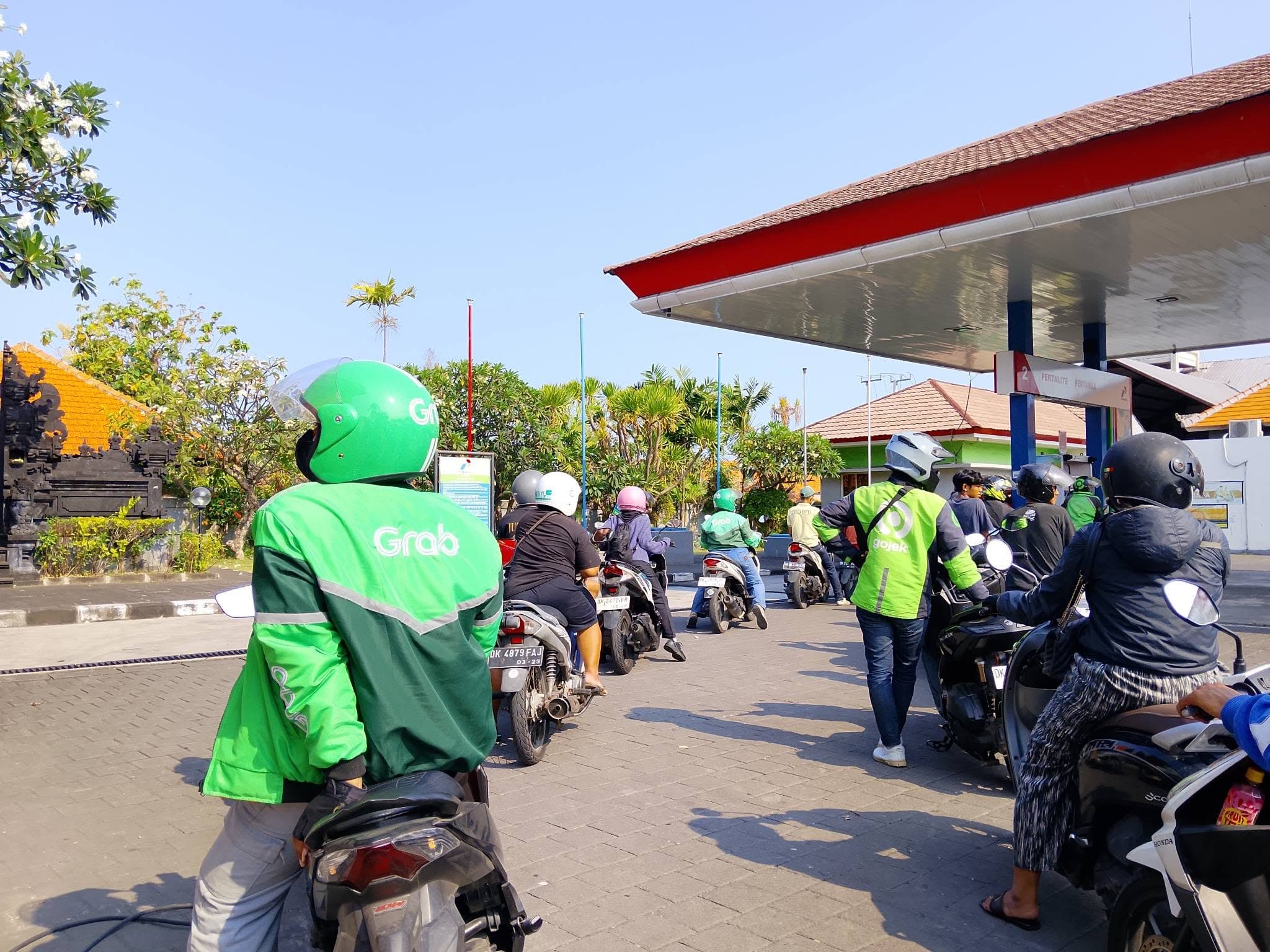
Moreover, immediate, collaborative efforts to address climate change could be an effective remedy for feelings of despair and helplessness. Using public transportation, for example, can help reduce carbon emissions, as does the prudent use of electricity. Finally, using artificial intelligence (AI) responsibly can help reduce clean water consumption which is currently an issue of growing concern in West Java and the Riau Islands.
From the government's perspective, comprehensive efforts are required to reduce carbon emissions through the energy transition. The energy sector, for example, contributes 829,883 kilotonnes of carbon dioxide equivalent (kton CO2eq). Therefore, individual actions remain incomplete without government-led efforts to decarbonize, including increasing the share of renewable energy in the energy mix and the early retirement of coal-fired power plants (PLTU).
This solution is no longer negotiable, as Indonesia aims to achieve its net-zero emissions by 2060 or even sooner. The government must therefore ensure that its initiative to integrate renewable energy sources into the national electricity system is implemented, as the impact of reducing emissions goes beyond simply achieving the target; it secures the public's right to a better quality of life.