Can Indonesia Break Free from Power Blackouts?
Bram Setiawan • Author
20 August 2026

4,610
• 6 Minutes Read
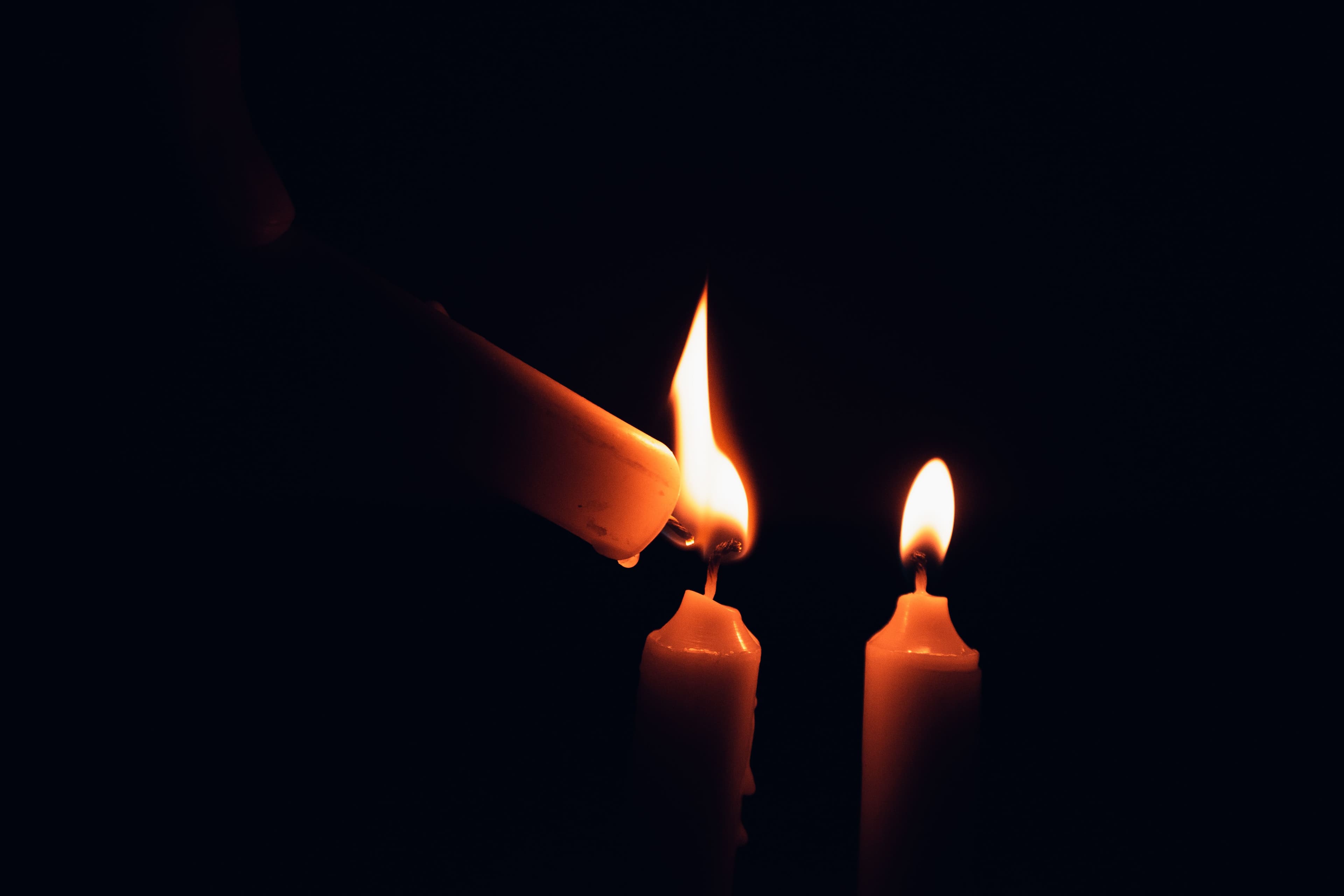
Throughout the ongoing year of 2026, large-scale power supply disruptions have occurred repeatedly. In May, a total blackout struck parts of Sumatra, causing economic losses for local residents. Subsequently, rolling blackouts affected parts of Java for several days in June—despite the fact that Java possesses a highly established electricity system.
Power outages continue to burden communities in Kalimantan, one of Indonesia's major coal-producing regions. The state electricity company (PLN) stated that the outages in the area were caused by disruptions at power plants.
These recurring power outages have repeatedly caused significant losses for the public, as their activities are disrupted whenever the electricity goes out. After all, electricity is not merely a commodity but a fundamental necessity that underpins daily life, education, healthcare, public services, and economic activities. Given these persistent outages, impressive figures—such as an electrification ratio approaching nearly 100% by 2026—lose their significance if the power supply is not available around the clock.
PLN’s grid vulnerable to blackouts
The focus regarding electricity issues has shifted from merely whether the power supply has reached various regions across Indonesia to the reliability of the service received by customers. The Ministry of Energy and Mineral Resources (ESDM) utilizes the System Average Interruption Frequency Index (SAIFI) and the System Average Interruption Duration Index (SAIDI) to measure electricity service reliability.
In 2025, the SAIFI figure reached 3.23 interruptions per customer. This indicator measures the average frequency of power outages experienced by customers over the course of a year. A low SAIFI figure indicates a well-functioning electricity distribution system with less frequent outages, whereas a high SAIFI figure points to a poor distribution system characterized by frequent outages. West Kalimantan recorded the highest outage frequency among PLN's operating units that year, with a SAIFI value of 11.11 interruptions per customer.
In terms of outage duration, the national SAIDI reached 8.48 hours per customer in 2025, up from 5.34 hours in 2024. This situation varies by region; in 2025, SAIDI on the island of Java was recorded at 2.58 hours per customer, whereas outside Java, it reached 17.02 hours.
System vulnerability becomes increasingly apparent when a disruption escalates into a total blackout—such as the outage in Sumatra that affected approximately 13.1 million customers. This occurred despite Sumatra’s power generation capacity reaching 21.3 gigawatts (GW)—or about 19.8% of the total national installed capacity—a level generally sufficient to meet the region's electricity needs. However, substantial installed capacity does not guarantee that millions of customers will be spared the impact of disruptions to the grid system.
Why is the grid more vulnerable?
The vulnerability of the power grid stems in part from the government's lack of attention to strengthening the transmission and distribution networks that serve customers. Yet, these networks function as the "highways" that determine the smooth flow of electricity.
To date, the actual expansion of the transmission network remains far below the targets set in PLN’s Electricity Supply Business Plan (RUPTL). For instance, the Directorate of Electricity at the Ministry of Energy and Mineral Resources recorded that transmission network expansion projects for 2025 reached only 3,241 circuit-kilometers (kms) out of a target of nearly 9,000 kms (approximately 37% of the target).
According to the Institute for Essential Services Reform (IESR), the fundamental issues within Indonesia's electricity system cannot be resolved simply by building more power plants. To date, electricity planning—including PLN’s Electricity Supply Business Plan (RUPTL)—and energy sector policies have largely prioritized increasing generation capacity.
However, a series of recent power supply disruptions indicates that Indonesia's electricity system also needs strengthening in terms of grid infrastructure, operational flexibility, and resilience against disturbances. Without a robust grid, a flexible system, and more adaptive planning, the large-scale integration of renewable energy will pose significant operational challenges.
Furthermore, if Prabowo’s 100 GW solar energy program is fully implemented, upgrading the supporting power grid must be given equal priority. The length of transmission and distribution networks needs to more than double by 2050 to keep pace with growing electricity demand and to manage fluctuations in supply and demand.
Building resilience, advancing justice
In addition to prioritizing the development of a reliable power grid, this system also requires the diversification of the electrical system, including the types and capacities of power plants as well as energy storage capabilities.
For instance, Indonesia's future energy transition cannot rely solely on solar power but must also incorporate other clean energy sources—such as wind and marine energy—to reduce the dominance of coal and fossil gas. Energy storage technology is also required to maintain the balance between supply and demand amidst fluctuations in renewable energy production.
According to the International Energy Agency’s (IEA) report Southeast Asia Energy Outlook 2026, the success of the energy transition hinges on the effective development and utilization of efficient supporting infrastructure, particularly power grids and energy storage systems. Battery-based storage, demand response, and other sources of flexibility—including existing generation capacity—are crucial for maintaining system reliability.
Thus, the energy transition is inseparable from the agenda of electricity resilience; rather, it is part of the strategy to reduce system vulnerability. After all, a high electrification ratio does not automatically indicate that the public receives high-quality and reliable electricity services.
SAIDI and SAIFI are important indicators for measuring the frequency and duration of customer service interruptions, but they must also be interpreted within the framework of measuring access to reliable electricity.
In this regard, one of the frameworks that should be incorporated into government energy planning is the Multi-Tier Framework (MTF) which classifies household electricity access based on tiers, ranging from no access (Tier 0) to the highest level of service (Tier 5). These tiers are measured based on availability, reliability, quality, affordability, formality, and health and safety.
The MTF, developed by the World Bank’s Energy Sector Management Assistance Program (ESMAP), demonstrates that having access to electricity does not necessarily equate to the same level of service. For instance, although both are classified as "electrified households" by Statistics Indonesia (BPS), a customer in a remote area of East Nusa Tenggara (NTT)—who receives an average of only 13 hours of electricity per month at a low capacity of 450 volt-amperes (VA)—would fall into a lower MTF tier than a customer in Jakarta with a 5,500 VA connection.
Ultimately, to free ourselves from power outages, the government requires fair and comprehensive infrastructure planning that encompasses generation, transmission, and distribution. The measure of success lies not merely in quantity, but in the quality of a reliable and clean electricity supply for the public. The energy transition agenda should be leveraged as an opportunity to address the issue of equitable access to electricity, aligning with Indonesia's plan to reduce emissions from the energy sector.