El Nino’s Impacts on Household Finances: Rising Energy Use, Higher Electricity Bills
Duwi Setiya Ariyanti • Author
04 July 2026

78
• 5 Minutes Read
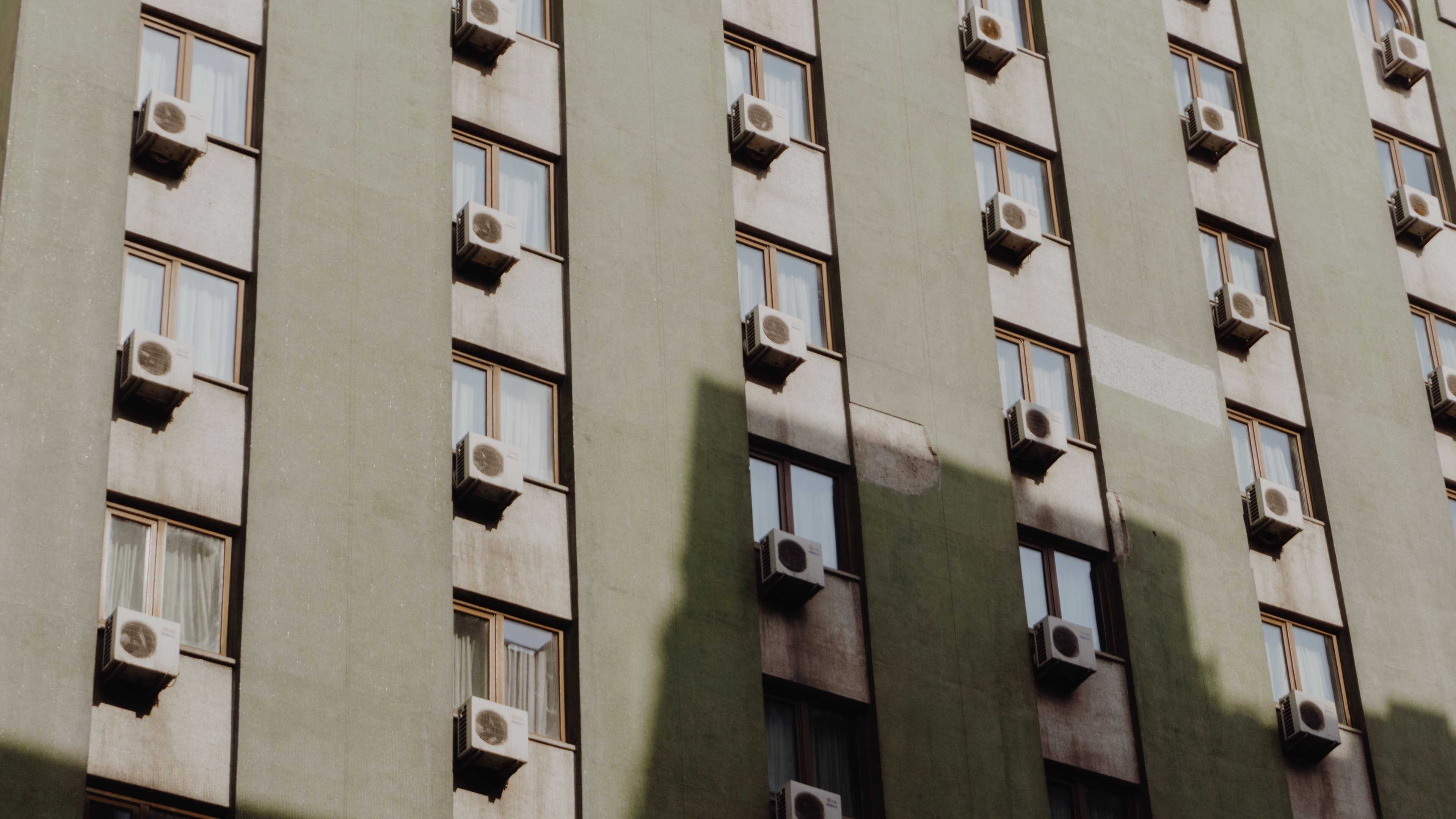
Despite the government's pledge not to raise electricity rates, people remain concerned about potential electricity bill increases due to El Niño. The rising temperatures as a result of El Niño ultimately force people to rely more heavily on air conditioning (AC) to stay productive during the extreme heat. Consequently, electricity consumption increases, and so do their electricity bills.
The El Niño phenomenon, which triggers extreme heat, occurs globally, and its impacts are felt as far away as Indonesia. The onset of El Niño can be seen in the earlier onset of the dry season, triggered by rising sea surface temperatures, which reduce the tendency for cloud formation and rainfall.
The decreasing rainfall trend leads to hotter temperatures and drier conditions during El Niño. The impacts are even more severe when El Niño lasts for 9-12 months, with sea surface temperatures in the Pacific Ocean reaching 2.5°C or even higher than a typical El Niño, known as "super El Niño" or "El Niño Godzilla."
According to the latest monitoring by the Meteorology, Climatology, and Geophysics Agency (BMKG), the dry season is expanding to 83 seasonal zones and is expected to reach its peak this month. Parts of Sumatra and eastern Papua are at risk of experiencing maximum temperatures of around 35-36.1°C due to El Niño, warmer than the average dry season temperature in Indonesia of 33-34°C.
How Does El Nino Affect Electricity Bills?
As temperatures rise, we naturally seek ways to stay cool so we can carry out our daily activities. This is where El Niño can lead to higher electricity bills. As an illustration, the aggregate access to air conditioning per household in Indonesia is 7.98%. However, ownership is much higher in Jakarta (30.83%) and the Riau Islands (29.83%).
Meanwhile, 24% of respondents in a survey conducted by the Central Statistics Agency (BPS) stated that they often set the air conditioner below 24°C, while 47.66% of respondents said that they sometimes set the room temperature at that level.
As outdoor temperatures continue to rise, households are increasingly relying on air conditioning and setting it to lower temperatures. This increased use of cooling devices directly impacts electricity bills. Simply put, with an electricity rate of Rp1,444.7 per kWh for customers with 1,300 and 2,200 VA, using a 1 HP air conditioner with a maximum power consumption of 800 watts for four additional hours per day can increase a household's monthly electricity bill by approximately Rp138,691.
Additional electricity costs increase with the number of hours the AC is used. The estimated additional cost if a 1 HP AC operates for 10 hours per day reaches Rp. 346,728. Meanwhile, the additional cost of using an additional 0.5 HP unit for four hours per day will reach Rp. 69,345 to Rp. 173,364, if usage is extended to 10 hours per day.
Greater reliance on air conditioning will become inevitable as temperatures rise. Furthermore, El Niño is expected to have the most severe impacts in several regions of Indonesia, including Java, Bali, Nusa Tenggara, parts of South Sumatra, South Kalimantan, Sulawesi, and southern Papua.
The Vicious Cycle of AC and Climate Change
The upward trend in air conditioner use is expected to continue. This pattern is already reflected in global projections. According to a study by Zhang et al., the number of air conditioners in use could reach 2.3 billion units by 2050. That figure could climb to 3.1 billion units under a scenario of strong economic growth combined with more severe global warming.
As a result, energy consumption from air conditioning is projected to increase by at least 135.7% by 2050 compared to 2010 levels. By 2050, air conditioning alone is expected to account for 8% of total global energy consumption in the building sector, equivalent to approximately 4,493 terawatt-hours (TWh).
While the potential for increased use of air conditioning is projected to increase, the actual emissions come from electricity generation. Globally, emissions from air conditioning are projected to reach 3.8 gigatons of CO₂ equivalent (GtCO₂e) by 2050, nearly triple the 1.3 GtCO₂e recorded in 2010. This means that the use of air conditioning due to rising temperatures triggered by climate change is actually a risky adaptation effort because it causes increased emissions that ultimately intensify climate change. The estimated impact on the increase in global average temperature by 2050 is 0.03-0.07°C.
What Can We Do?
Monitoring El Niño and its impacts from trusted sources is crucial to avoid unnecessary anxiety and misinformation. Access to reliable information allows people to better understand regional conditions and follow practical guidance on how to cope with extreme heat.
Another strategy that can be implemented is adding greenery to indoor and outdoor areas to create a cooling effect indoors. Green roofs, for example, can reduce energy consumption by up to 33% by reducing the need for air conditioning. Green building designs can also reduce the effects of land heat gain by up to 2°C through the use of green roofs. Integrating green roofs with living walls—covered with algae, grass, or other vegetation—can mitigate the effects of heat.
Moreover, the comprehensive implementation of green building principles: from lighting to ventilation, can reduce greenhouse gas emissions by up to 62% compared to conventional buildings.
Renewable energy technologies, particularly rooftop solar panels, can also help households reduce electricity bills while increasing resilience to potential power outages. This is particularly relevant during El Niño, when hydroelectric power generation may decline while rising temperatures increase electricity demand as more people rely on air conditioning, potentially increasing the risk of rolling blackouts. These considerations also provide momentum for the government to re-encourage the use of rooftop solar power plants (PLTS) so that people have a better option during El Niño.