How are El Nino, Extreme Heat and The Climate Crisis Connected?
Bram Setiawan • Author
15 July 2026

57
• 5 Minutes Read
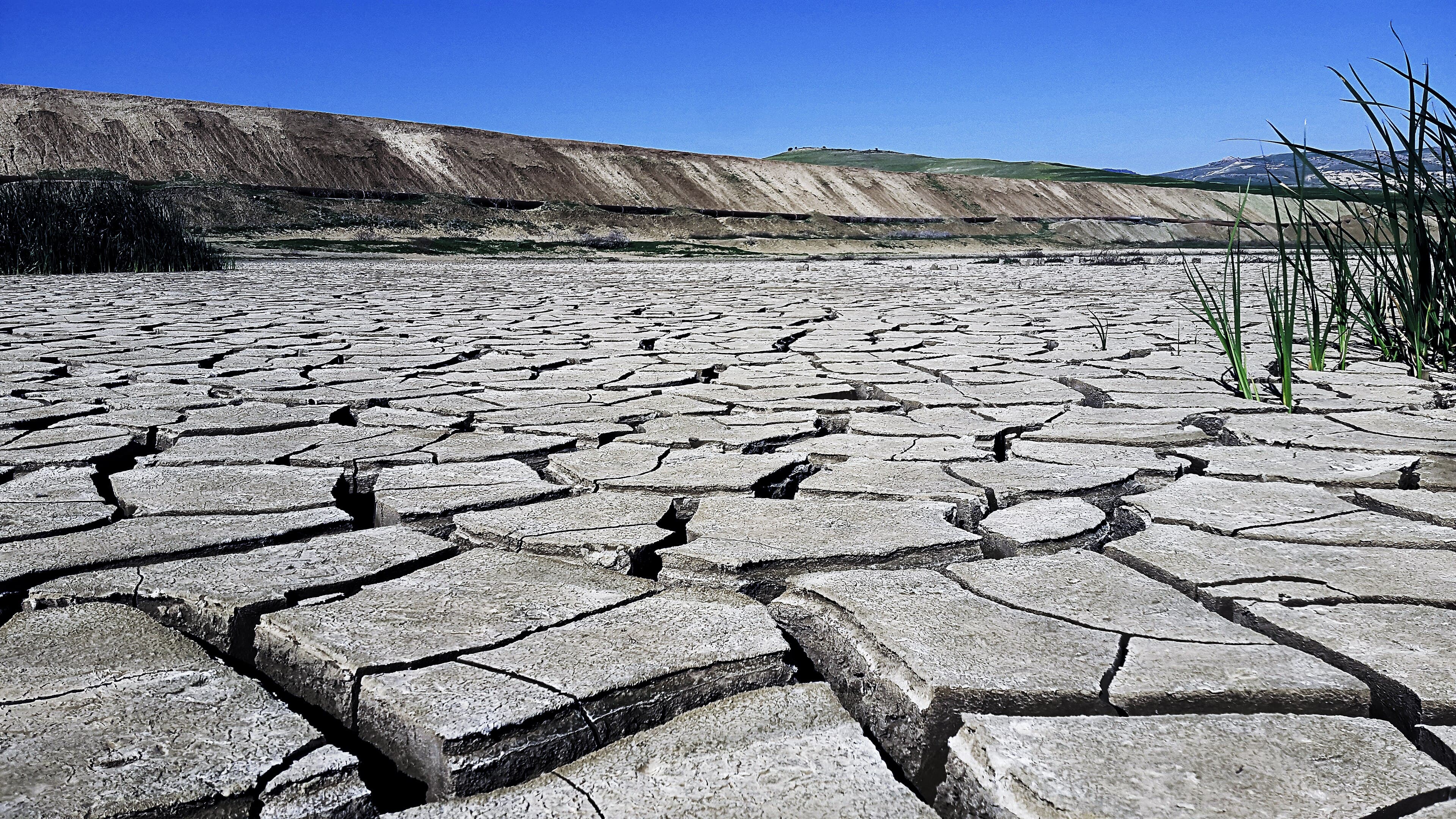
Image: Hydrosami/Wikimedia Commons
The Indonesian Agency for Meteorology, Climatology, and Geophysics (BMKG) predicts that Indonesia's dry season in 2026 will be longer and drier than average. This is especially true given the El Niño period, a phenomenon characterized by rising sea surface temperatures in the Pacific Ocean that suppresses rainfall and is expected to last for nine to twelve months.
Hotter temperatures due to El Niño can have a variety of impacts, including respiratory illnesses and reduced productivity for people working outdoors, crop failures due to drought, and forest fires. The Meteorology, Climatology, and Geophysics Agency (BMKG) has even reminded energy sector managers, particularly hydroelectric power plants (PLTA), to ensure sufficient water availability in reservoirs to support the performance of these power generation facilities.
El Niño is a recurring climate phenomenon, but why does its impact become more severe over time? Are there other factors that amplify its effects?
The link between El Nino, extreme heat and the climate crisis
According to the World Meteorological Organization's (WMO) State of the Global Climate 2025 report, the period 2015–2025 was the warmest decade on record. By 2025, global temperatures were approximately 1.43°C above the pre-industrial baseline (1850–1900).
El Niño is a climate phenomenon in which sea surface temperatures in the eastern and central tropical Pacific Ocean rise above the normal average. This condition drives a shift in convective cloud cover to the Eastern Pacific, resulting in decreased rainfall across much of Indonesia. This shift in cloud formation also reduces the supply of atmospheric moisture that Indonesia typically receives from abundant rainfall. As a result, the dry season becomes extremely dry, and when this phenomenon coincides with the dry season, there is a risk of forest fires.
However, it's important to recognize that El Niño isn't the only phenomenon causing drought in Indonesia. In addition to sea surface temperature anomalies in the Pacific Ocean, conditions in the Indian Ocean, through the Indian Ocean Dipole (IOD), also contribute to drought. A positive IOD is associated with drought in southern and western Indonesia and causes stronger seawater movement from the seabed to the surface south of Java. As a result, sea surface waters become cooler, resulting in less water vapor and potential rainfall, ultimately leading to drought in southern and western Indonesia.
Extreme heat is a period when temperatures exceed normal levels in a region. Although heat waves are one form of extreme heat, this phenomenon does not occur in Indonesia. According to the Meteorology, Climatology, and Geophysics Agency (BMKG), heat waves generally occur in mid-high latitudes due to trapped air. Located in the equatorial region, Indonesia experiences rapid weather variability and distinct atmospheric dynamics. Daily temperatures typically increase due to weather and low cloud cover during the day, especially during the dry season.
Although Indonesia has not yet experienced a heat wave, the country faces another risk known as hot spells. This phenomenon is considered to occur when the average daily temperature exceeds 27.8°C for at least three consecutive days. The Indonesian government needs to develop a worst-case scenario for extreme heat periods through 2035, based on an indication of a 1.5-degree global temperature increase.
The United Nations (UN) is highlighting the Earth's current situation, as UN Secretary-General Antonio Guterres warned that El Niño could exacerbate global temperature rises triggered by climate change. The impacts will be felt worldwide. An effective response is climate action by ending dependence on fossil fuels and accelerating the transition to renewable energy.
The climate crisis is the result of rising global temperatures caused by human activity, the impacts of which are increasingly being felt through accelerating changes in global and regional weather patterns. Climate change, which once took millions of years, is now occurring in just a few decades due to human activity, particularly since the Industrial Revolution. The World Meteorological Organization (WMO) views the climate crisis as one of the most crucial challenges facing humanity, due to its far-reaching consequences for food security, health, energy, water resources, and even population displacement.
Mitigating the multiple impacts of El Nino
El Niño is a recurring natural phenomenon, the risks of which must be minimized. Energy security is crucial during this El Niño period, as hot weather drives up demand for air conditioning in both offices and homes. Given that Indonesia's electricity system is powered by large-scale power plants, any disruptions can have widespread consequences, including rolling blackouts.
According to the Institute for Essential Services Reform (IESR), the national electricity system must not only be reliable under normal conditions but also resilient to extreme weather, the climate crisis, changing electricity demand patterns, and an increasing renewable energy mix. To achieve this, Indonesia needs to map proven scenarios in its national power system planning. Electricity planning must incorporate climate risks, extreme weather, and the need for grid flexibility. Therefore, a thorough review of the transmission and distribution network is necessary before the dry season, especially if accompanied by El Niño.
Ultimately, El Niño is becoming more severe because its impacts are now combined with the complex challenges of climate change on energy systems. As temperatures rise, droughts intensify, and extreme weather events occur, risks to power plants and the grid increase. Therefore, energy security is no longer measured solely by the ability to meet daily electricity needs, but also by the system's ability to anticipate climate crises. The impact of El Niño is just one example.