National Energy Transition Projects: Ecocide and The Loss of Local Communities’ Living Space
Fraya Annisa • Author
22 June 2026

57
• 6 Minutes Read
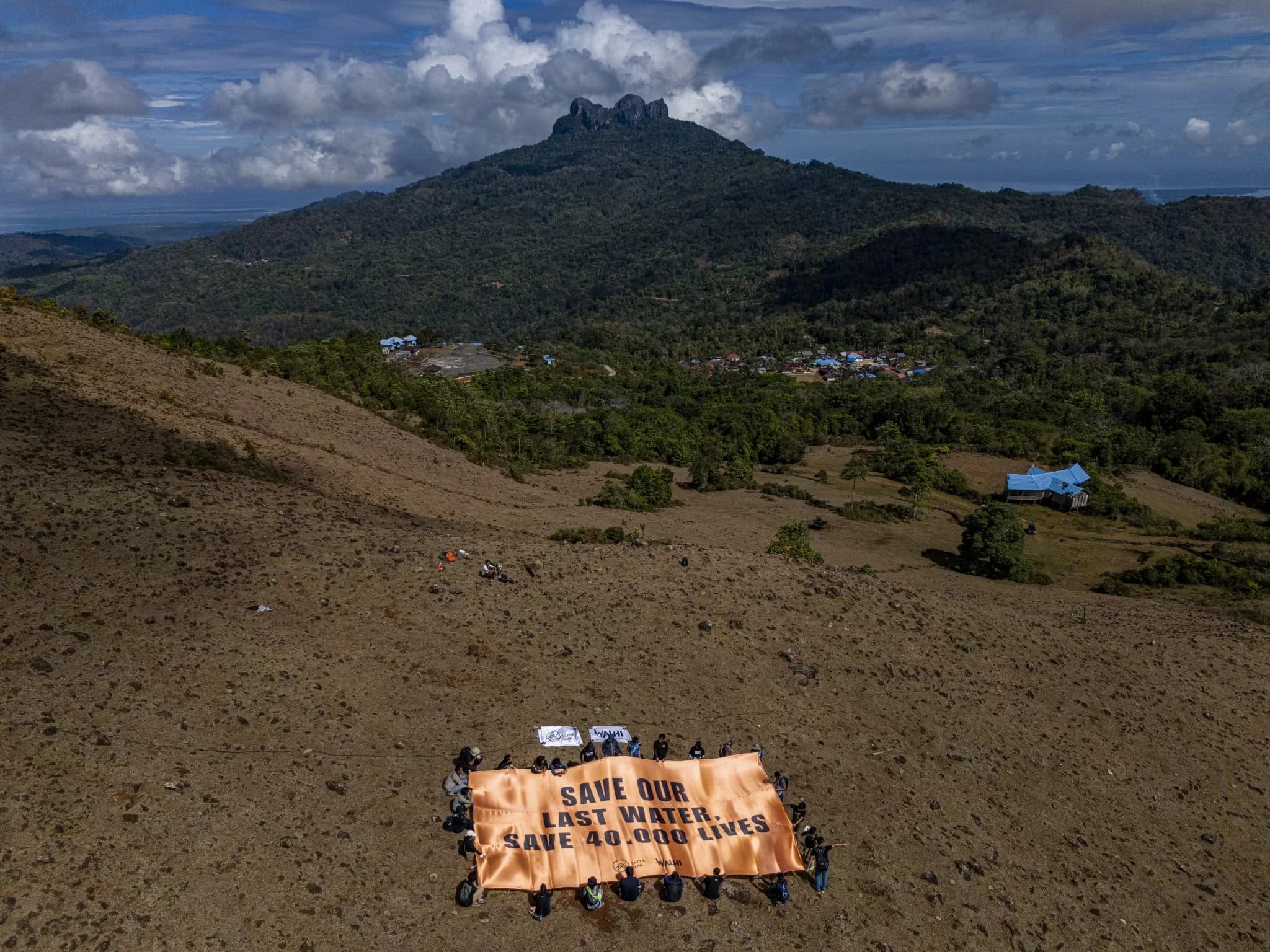
Forest loss, the sea turning brown, and contaminated water sources are a living nightmare for the residents of Gag Island in the Raja Ampat islands, Kabaena Island in Southeast Sulawesi, and several other small islands. In this nickel-rich region, the ambition of downstreaming carries a double risk: exacerbating socio-ecological vulnerability to climate change while damaging the ecosystems that sustain local communities.
This series of events is, in fact, nothing new. During the Vietnam War, the world witnessed the destruction of vast tropical forests and the contamination of land that was difficult to restore. This is where the term ecocide emerged: the deliberate destruction of the environment in a particular region, causing widespread and severe long-term damage.
In Indonesia, traces of ecocide can be found in areas associated with national strategic projects, one of which is the nickel industry. The growing global demand for nickel as a raw material for electric vehicles is one reason the government is accelerating the downstreaming agenda.
Mining companies are not only extracting nickel on large islands but also targeting small islands. According to data from the Mining Advocacy Network (JATAM), Kabaena Island and Gag Island are among 35 small islands currently being exploited for their mineral resources by mining companies. The government has granted 351,933 hectares of concessions for 195 mining permits, equivalent to 1.5 times the size of Bali.
Nickel Production Soars, Communities Pay The Price
Indonesia has indeed emerged as the world’s leading nickel producer, accounting for approximately 60% of global nickel production. However, this achievement has come at a high price, marked by systemic environmental degradation and the shrinking of local communities' living spaces.
On Kabaena Island, mining concessions that have been in place for almost two decades now cover about 73% of the island's total area of 891 km².
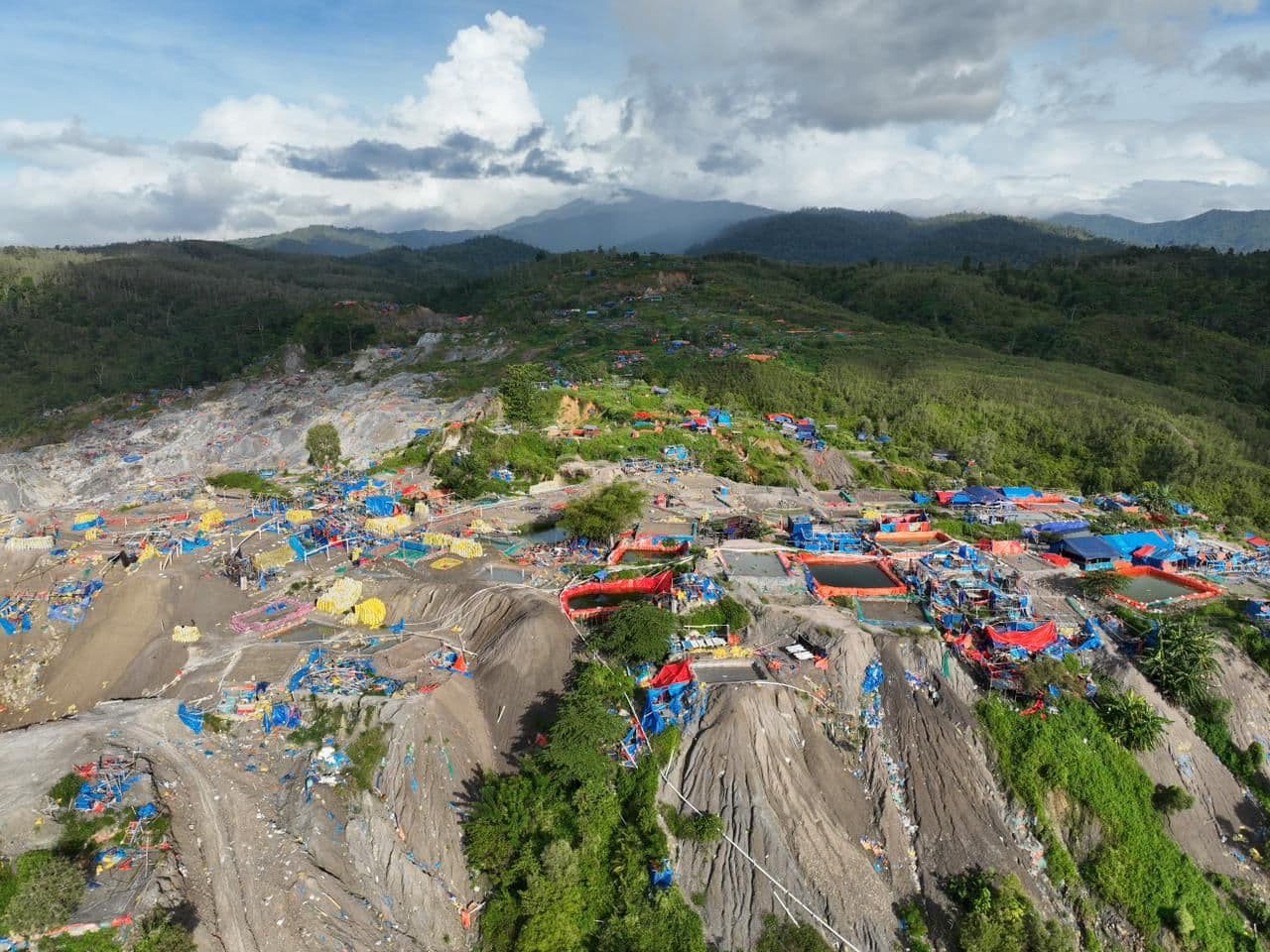
Ironically, long before mining expansion took place, the Bajau people had already inhabited the island. They are estimated to have lived in the Indonesian archipelago since 2,000 years ago. Known as sea nomads, this tribe relies heavily on marine resources for its survival, spending 60% of their working time at sea. Therefore, the destruction of the marine ecosystem has severely impacted the Bajau's livelihoods. Land clearing for mining operations has caused mud runoff to flow into the sea, turning the once-blue waters brownish and murky.
As sediment blankets the coral reefs, marine life is prevented from living there. As a result, the livelihoods of Bajau fishermen and seaweed farmers have been disrupted; more than half of their incomes have declined, and some have been forced to become construction workers in mining operations.
Mining activities not only impact marine ecosystems but have also constrained local communities' living spaces. The Bugis and Moronene people, who largely depend on the plantation sector for their livelihoods, have been forced to sell their land due to the loss of fertility as a result of these extractive activities.
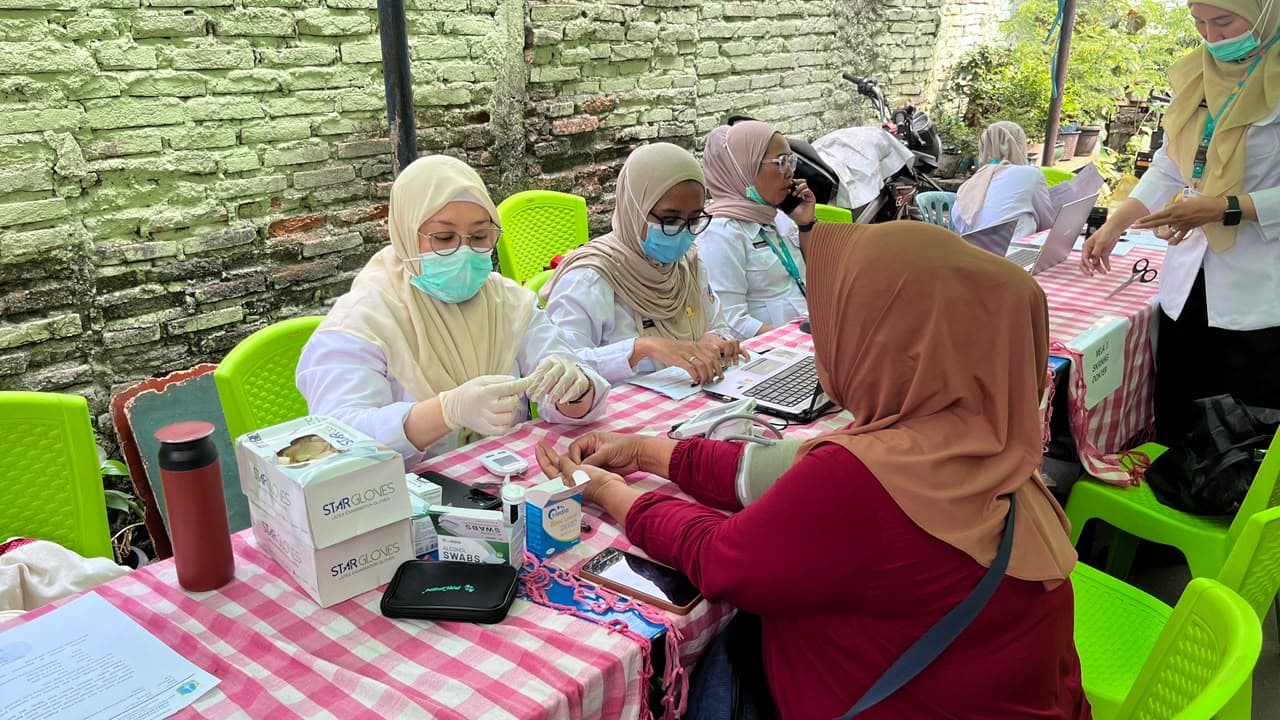
The impacts of mining are also quietly threatening the health of the people of Kabaena Island. A Satya Bumi study showed that river and sea water in the area has been contaminated with heavy metals such as cadmium and lead, at concentrations exceeding safe limits. More alarmingly, nickel concentrations in people's urine were recorded far above normal levels, ranging from 4.77–36.07 µg/L. Exposure to these heavy metals should not be taken lightly, as they contribute to a variety of health problems, ranging from kidney damage, cancer, cardiovascular disease to reduced IQ and cognitive function.
In Raja Ampat, public outrage over nickel mining activities prompted the government to revoke four out of five mining business permits (IUP) in the area. However, PT Gag Nikel, which operates on Gag Island, was allowed to continue its operations, an exception that reflects the government's inconsistency, as mining activities on small islands are illegal. Article 23(2) of Law Number 1 of 2014 concerning the Management of Coastal Areas and Small Islands states that the use of small islands and their surrounding waters is prioritized for conservation, education, research, and other activities, not mining.
What is more concerning is that nickel exploration activities on Gag Island, which have been ongoing since 1972 and have been granted a concession area of 13,316 hectares—twice the land area of Gag Island of approximately 6,000 hectares or 60 km². In fact, under Article 1(1) of Law Number 1 of 2014, Gag Island is categorized as a small island, namely an island with an ecosystem that has an area of less than or equal to 2,000 km².
Furthermore, this regulation is also reinforced by Constitutional Court Decision Number 35/PUU-XXI/2023, which emphasizes the importance of strict restrictions, even prohibitions, on mining activities in coastal areas and small islands due to their potential to cause extensive, ongoing, and irreversible damage.
Allowing mining activities in Raja Ampat means witnessing the gradual destruction of the habitat of 75% of the world's coral species. The region widely known as the "Crown Jewel of the Coral Triangle," is recognized as one of the most biodiverse regions on Earth. It holds biological, social, and economic value that is often overlooked: a source of livelihoods and food security for millions of people.
The Energy Transition is not Merely An Economic Value
The energy transition isn't just about shifting from fossil-based resources to cleaner renewable resources, but also ensuring the process is fair to society and the environment. The nickel downstreaming ambition, under the pretext of zero carbon is, in fact, paradoxical: rather than reducing emissions, the approach could deepen the crisis itself.
Safeguarding small islands and restoring community living space must take precedence over the short-term interests of the extractive industry. Overlapping regulations in mining permits issueance cannot continue to be an excuse for delaying improvements.
The government must take decisive action. This includes imposing a moratorium on mining permits in small islands, high-biodiversity areas, and protected forests, as well as revoking permits that violate regulations. Furthermore, cross-sectoral coordination is needed to strengthen mining oversight to detect environmental degradation. The government should strictly enforce reclamation and post-mining activities to ensure companies comply with their obligations.
Without these concrete efforts, a just energy transition will remain merely a slogan on paper, appearing green in the narrative but leaving a dark footprint on the ground.
---
Fraya Annisa is an independent researcher interested in energy transition, climate change, and environmental issues. Previously, she worked as an energy and climate consultant. She holds a Master's degree in Hydrogeology and Environmental Geoscience from the University of Goettingen, Germany. For discussions and collaborations, she can be contacted via email at [email protected]