Rare Earth Elements and New Face of Energy Inequity
Dhonny Suwazan • Author
13 July 2026

55
• 5 Minutes Read
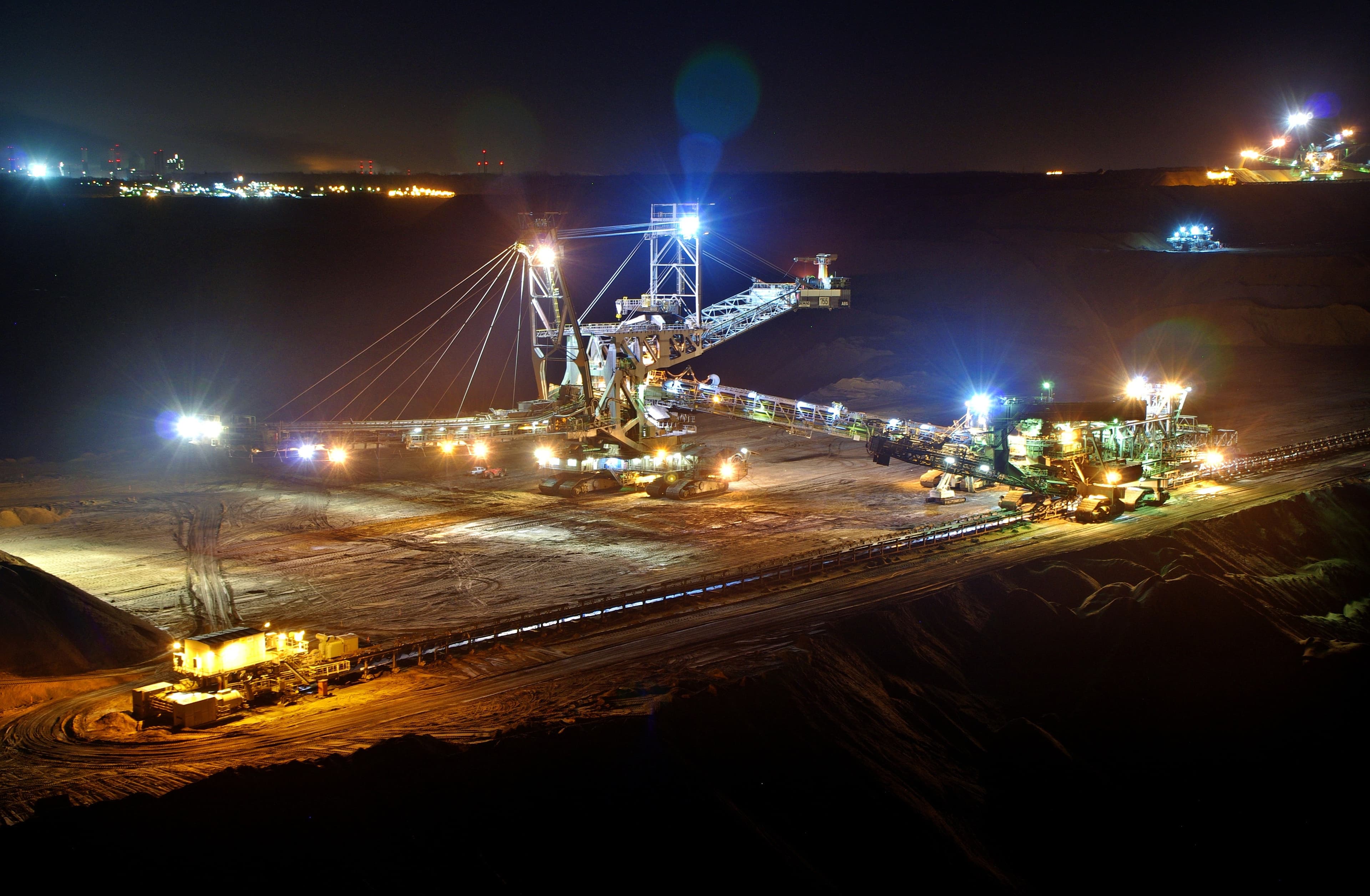
Image: Chris Wiedenhoff/Pixabay
The energy transition is often understood as a technological issue, such as increasing solar and wind power, promoting electric vehicles, and hoping for lower emissions. However, in practice, the energy transition also encompasses socio-economic processes that determine who benefits and who bears the costs. Therefore, the issue of "equity" is not merely an add-on.
Rare earth elements (REEs) illustrate this challenge vividly. These elements are essential materials used in permanent magnets in electric vehicle motors and wind turbines, and a wide range of electronic components. The International Energy Agency (IEA) estimates that lithium demand will increase by nearly 30% by 2024, while demand for nickel, cobalt, graphite, and other rare earth elements will increase by about 6-8%. On the supply side, the United States Geological Survey (USGS) estimates that global rare earth element mine production will reach approximately 390,000 tonnes of rare earth oxide (REO) equivalent by 2024, with China accounting for approximately 270,000 tonnes of REO, indicating a highly concentrated supply.
In Indonesia, the rare earth mineral agenda is entering a more concrete phase. PT Timah announced a groundbreaking plan to establish a rare earth mineral processing plant on May 20, 2026, with a mandate to monetize the product no later than two years after construction begins. The project involves Perminas (National Mineral Company), which is said to focus on rare earth minerals, as the implementing partner.
On the mining side, PT Timah also reported an indicative potential of approximately 1.2 million tons of monazite (a mineral rich in REEs such as cerium and thorium) within its Mining Business Permit (IUP) area, which still requires verification through exploration and drilling. Meanwhile, in Tanjung Ular, West Bangka, the company is developing a pilot plant to process tin by-products as a first step. These facts underscore the urgency of ensuring that socio-environmental governance, transparency, and benefit sharing are implemented from the outset to prevent the downstreaming of REEs from repeating past inequalities.
Global supply concentration exacerbates geopolitical risks and price volatility. The IEA noted that energy mineral prices declined significantly after a surge in 2021–2022. Lithium prices, which surged eightfold in 2021–2022, have fallen more than 80% since 2023. Meanwhile, graphite, cobalt, and nickel prices fell 10–20% in 2024. Such fluctuations often lead to pressure to “chase volume” when prices are high and “cut costs” when prices are low, both of which can potentially undermine social and environmental safeguards if governance is weak.
The problem is that risks are not evenly distributed. Extractive activities, both mining and processing, also require land and water, which can trigger pollution, biodiversity loss, and ecosystem degradation if not managed properly. In the context of the energy transition, these burdens tend to be concentrated in producing regions. Meanwhile, the benefits of clean energy technologies, such as cleaner air, energy efficiency, and the economic value of green industries, are enjoyed more widely, even across countries.
The downstreaming agenda is crucial to prevent Indonesia from remaining at the end of the value chain. However, the experience of the extractive sector teaches us that economic value-added does not automatically lead to equity value-added. Downstreaming involves more complex and resource-intensive processing facilities, which in turn increases demands on waste, energy, and water management.
At the same time, the IEA reports that investment in critical minerals development is expected to weaken in 2024. Investment spending increased by only 5%—about 2% in real terms after cost inflation—while exploration activity remained stagnant. This trend is an important reflection because the “speed” of the energy transition is often driven by targets, but governance readiness—including oversight, data transparency, and regional capacity—does not always evolve at the same pace.
Therefore, REE (Rare Earth Elements) policies must be interpreted within three dimensions of energy justice. First, distributive justice to ensure benefits such as jobs, infrastructure, income and burdens like pollution, health risks, loss of living space distributed fairly, especially among producing regions. Second, procedural justice: are communities meaningfully involved from the outset, provided with sufficient information, and given a clear opportunity to raise objections? Third, recognitional justice: are the rights of local/indigenous communities and their relationships to their lands and homelands respected as part of decision-making?
Without such a framework, the energy transition risks creating a "green resource curse," where countries rich in critical minerals bear high socio-ecological pressures, while strategic value-added is enjoyed by others. IEA projections indicate that under current policy scenarios, demand for rare earths could increase by 50-60% by 2040; meeting overall mineral demand would require approximately US$500 billion in new mining investments by 2040, or approximately US$600 billion under the more ambitious commitment/APS scenario. The stakes are increasingly high.
What needs to be done differently? First, data transparency: concise and regular publication of environmental monitoring and complaint follow-up, so that accountability doesn't rely on rumors. Second, meaningful participation: consultation from the planning stage, with equal access to information and real negotiation space. Third, monitoring and enforcement: audits, follow-up, and measurable remediation. Fourth, equitable benefit sharing: ensuring that producing regions and affected communities receive real benefits, not just suffer the impacts. Fifth, responsive and verifiable complaint mechanisms.
Rare earth minerals are the hidden foundation of clean energy technologies. Discussing the energy transition without addressing equitable governance of critical minerals ignores new sources of inequality. Indonesia has the opportunity to become a key player in the clean energy supply chain, but that opportunity will only be meaningful if it is built on principles of justice for the environment, local communities, and future generations.
—
Dhonny Suwazan is a lecturer in Environmental Engineering at Pelita Bangsa University and a mining industry consultant. His interests include critical minerals, energy transition, industrial sustainability, and strategic supply chain development. He is currently preparing for a doctoral study on the upstream–downstream supply chain of rare earth minerals in Indonesia through a collaborative program between Indonesian and British universities.