The B50 Project: Biodiesel Ambition Risks Sidelining Justice and Sustainability
Muhamad Fikri Asy’ari • Author
05 June 2026

265
• 6 Minutes Read
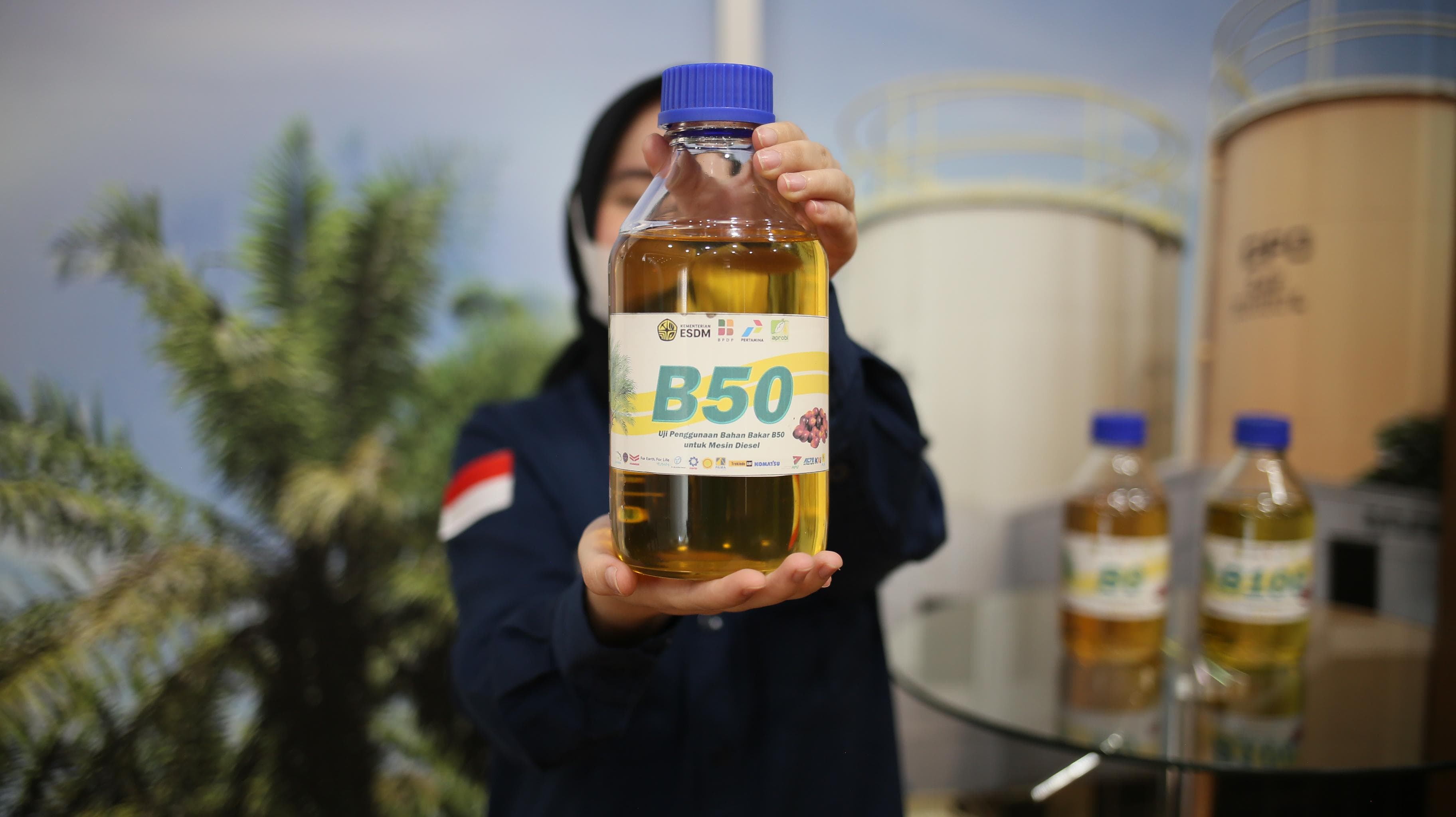
Fuel shortages caused by global political tensions should serve as a catalyst for Indonesia to reduce its dependence on imported fossil fuels and shift toward cleaner, more abundant energy sources.
So far, in addition to pushing the transition to electric vehicles, the government has also promoted palm oil-based biodiesel as a promising way to reduce dependence on imported fuels while advancing the energy transition. At the National Coordination Meeting of Central and Regional Governments on February 2, 2026, President Prabowo even claimed that oil palm is a strategic asset and a miracle crop for Indonesia’s energy and food self-sufficiency.
However, the question remains: will all efforts to meet domestic energy needs while transitioning to renewable energy automatically result in a just transition?
B50 ambition and palm oil demand
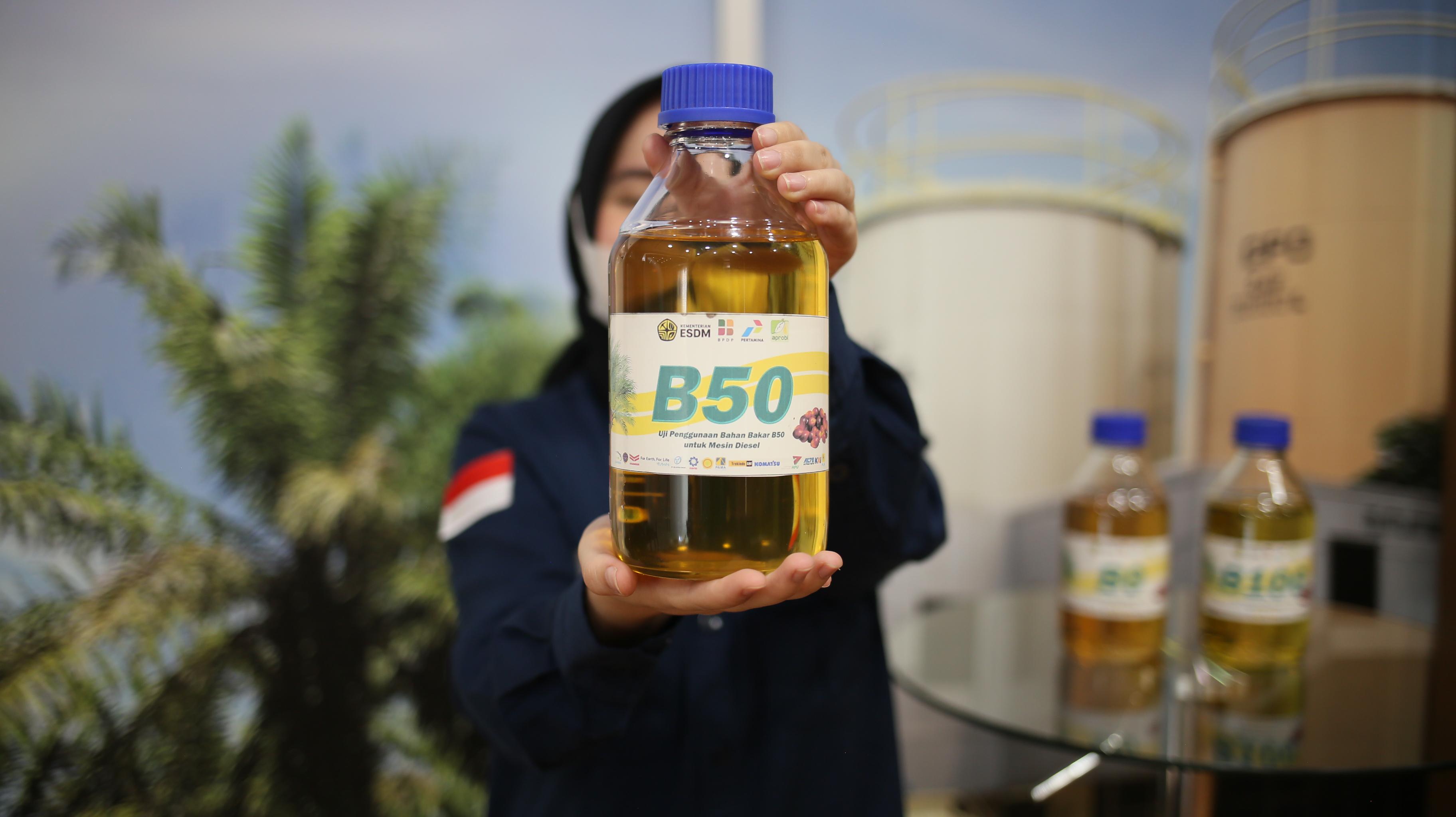
The government announced that B50, or B50 biodiesel, would be distributed to public fuel stations (SPBU) in Indonesia beginning July 1, 2026. B50 is a fuel blend consisting of 50% palm oil-based biofuel and 50% diesel. The government also claims that this gradual biodiesel or biofuel program, previously B40, is part of a major plan toward net-zero emissions (NZE) by 2060, with the aim of eventually reaching B100.
The B50 blend underwent six months of testing in heavy equipment, locomotives, and trucks. Now, the government claims B50 is ready to be distributed for private vehicles and trucks. From a budget perspective, the presence of B50 could also save IDR 48 trillion in subsidy costs and reduce fuel imports by up to 4 million kiloliters (KL) per year.
Even so, there is no smoke without fire. The ambition behind the B50 project also brings significant consequences. This program requires a much larger supply of palm oil or crude palm oil (CPO). In the implementation of B40, for example, CPO demand is estimated to reach around 12 million tons.
Meanwhile, if the B50 program is implemented, CPO consumption could rise to around 16 million tons. As a consequence, part of the CPO supply that was previously allocated for exports or other domestic needs, such as cooking oil, may have to be diverted to meet the needs of the B50 program.
Pressure to increase palm oil production has emerged because domestic production has stagnated at around 48 million to 51 million tons, while consumption continues to rise. Amid the moratorium on new oil palm land clearing to reduce deforestation, the government is promoting smallholder oil palm replanting (PSR) with a target of 180,000 hectares per year, although realization has fallen short of expectations.
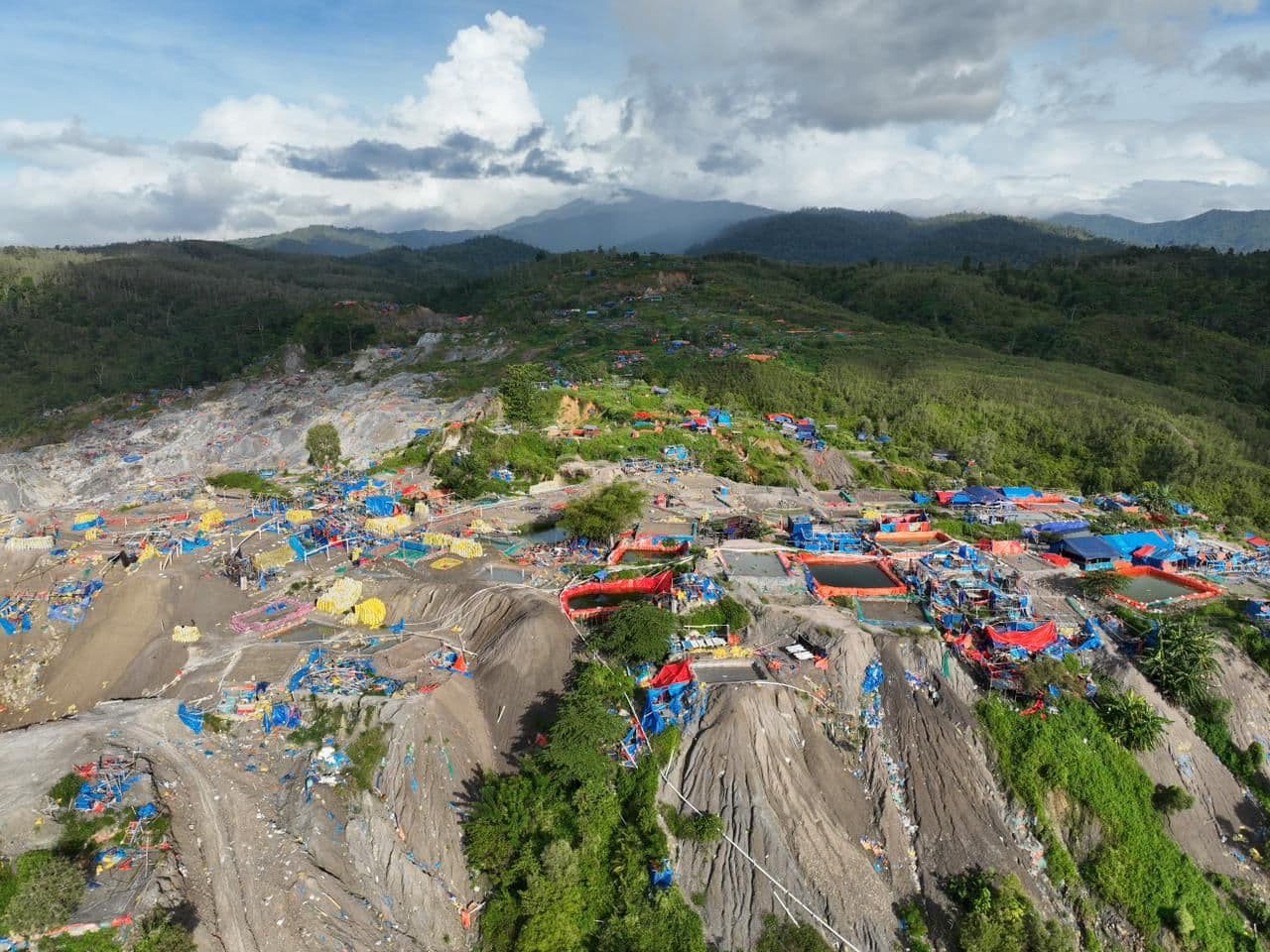
However, behind the pressure to expand oil palm land clearing lies a host of problems that intersect heavily with issues of social and environmental justice. In many cases, this expansion triggers conflicts in forest areas and creates tension with Indigenous communities that live in and depend on these territories.
When ambition sidelines justice and sustainability
This is where the dilemma of a palm oil-based energy transition becomes clear. The expansion of oil palm plantations cannot be separated from various environmental and social problems.
A report by Walhi and Auriga Nusantara shows that oil palm plantations are the largest contributor to forest area release, with around 6 million hectares of forest converted, or around 71% of total forest release for the plantation sector. Meanwhile, around 29% of the total oil palm plantation land is managed by large companies.
This land ownership structure shows that oil palm expansion tends to be concentrated among large corporations. Meanwhile, smallholders often face limited access to land, financing, and fair supply chains.
In addition to unequal land ownership and forest area release, the forest monitoring platform TreeMap observed that oil palm expansion in 2023 converted around 30,000 hectares of forest, up 36% compared with 2022. This forest loss has threatened Indonesia’s biodiversity, contributed to an estimated 40% decline in insect populations, and left fewer than a quarter of tropical rainforest vertebrate species, such as elephants, orangutans, and tigers, living within plantation landscapes. Meanwhile, Bornean orangutans, Sumatran rhinos, and Bornean elephants have also suffered extensive habitat loss.
From the social side, oil palm plantation expansion is also inseparable from agrarian conflict. The Consortium for Agrarian Reform (KPA) recorded at least 108 conflicts in the oil palm sector, with 88 cases occurring in plantation areas and related industries. Many conflicts are triggered by evictions and land grabbing from communities due to overlapping permits granted to companies. Tensions often involve disputes over Indigenous territories.
If these problems are not addressed seriously, the biodiesel program risks creating a paradox. A policy intended to support the energy transition could instead deepen social inequality and ecological pressure.
The energy transition must be more just
The success of the biodiesel program cannot be measured only by how much it saves on energy imports or by the share of biofuel in the fuel mix. Its success must also be measured through the dimensions of social justice and environmental sustainability.
Therefore, several strategies are needed to balance energy needs with social and environmental protection so the two do not collide. One step that can be taken is to prioritize intensification and productivity improvements on existing oil palm plantation land. Rather than opening new forests, the moratorium on new oil palm plantation land clearing should instead be strengthened.
The energy transition must also include an agenda for land governance reform, agrarian conflict resolution, recognition of Indigenous territories, and permit transparency. Without this, oil palm expansion for biodiesel will continue to trigger social conflict.
In addition, the role of smallholders needs to be strengthened through access to financing, easier certification, and price certainty in the market. Another equally important effort is to encourage export commodity diversification and sustainable downstream development, so dependence on oil palm can be reduced. In the context of biodiesel, the development of B50 and beyond can make use of alternative feedstocks such as used cooking oil, agricultural waste, and hydrotreated vegetable oil (HVO) technology.
These steps are important for realizing a just energy transition that is not limited to a technocratic project to reduce emissions or increase alternative energy production. The energy transition needs to be seen as an economic transformation that ensures environmental protection and guarantees justice for affected communities.
Ultimately, biodiesel ambitions such as B50 may help achieve national energy security. However, without fair and sustainable governance, that ambition could create new problems at the local level.
The energy transition should not merely replace fossil fuels with renewable energy. It must ensure that this change does not leave communities, workers, and the environment behind. This is the greatest test for Indonesia’s just energy transition.
—
Muhamad Fikri Asy’ari holds a bachelor’s degree in International Relations and is interested in environmental, social, and political issues. He is currently a Junior Researcher at Muda Bicara ID and an exclusive contributor at Kawan Good News From Indonesia (GNFI). Fikri can be reached on Instagram at @fasy.ari.