Understanding Renewable Energy Zones and Their Potential in Indonesia
Bram Setiawan • Author
10 June 2026

41
• 4 Minutes Read
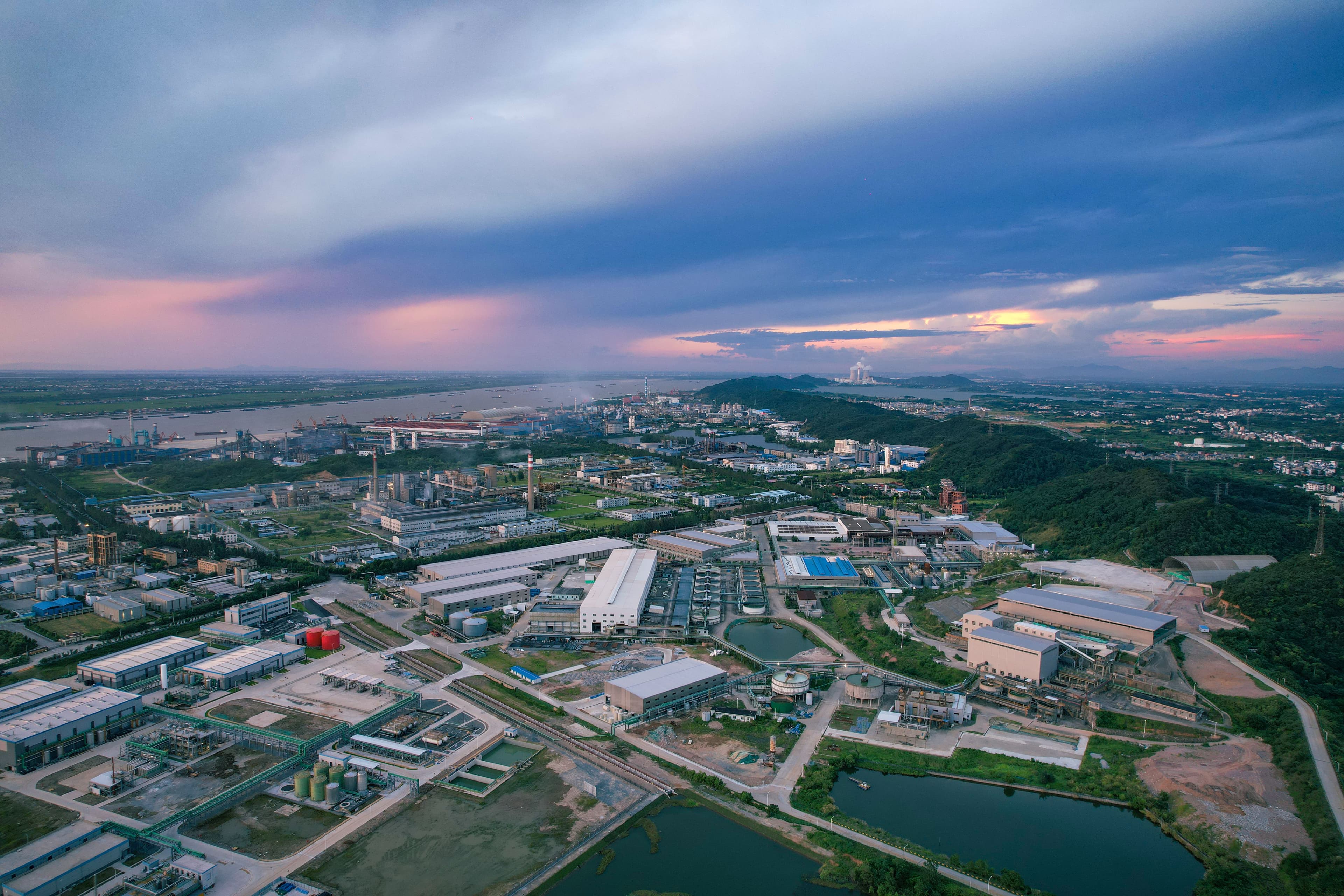
President Prabowo Subianto has set an ambitious target of building 100 gigawatts (GW) of solar power plants (PLTS) to accelerate the energy transition.
This capacity is enormous - nearly equal to Indonesia’s current electricity capacity of 105 gigawatts (GW). However, alongside power plant planning, one of the keys to ensuring the success of the 100 GW program is securing sufficient electricity demands.
In fact, the government could rely on the industrial sector, currently the largest electricity consumer, to absorb large-scale renewable energy generation.
Implementation, however, is not that simple. Currently, the development of renewable energy and industrial estate in Indonesia still largely operate independently. The government also recognizes that many industries require renewable energy but lack access to its supply. Yet, in order to reduce carbon emissions in the industrial sector, there must be a link between its electricity demand and the growth of renewable energy.
Therefore, a recent study by the Institute for Development of Economics and Finance (INDEF) and Systemiq recommends the implementation of the Renewable Energy Zone (REZ) to serve as a bridge between electricity and low-carbon electricity development. Amid the Indonesian government’s ambition to reach 8% economic growth by 2030, Renewable Energy Zones also serve as a foundation for development that minimizes greenhouse gas emissions.
What is a Renewable Energy Zone?
Several countries have developed renewable energy zones, each with its own distinct model. These differences are tailored to the needs of their energy system, industry characteristics, and economic development goals.
There are several models of renewable energy zones, including those integrated with the local electricity grid (grid-integrated REZ). This model has been developed in Australia through the Central-West Orana REZ, and in India through the Rewa Solar Park, Pavagada Solar Park, and Bhadla Solar Park.
There are also renewable energy zones specifically designated for industry (industrial-designated REZs), one of which is being developed in Malaysia. This model connects renewable energy with industrial zones that require large amounts of electricity, such as the Sarawak Corridor of Renewable Energy (SCORE).
Additionally, there are clean-tech industrial zone (REZ) models in Malaysia, Kulim Hi-Tech Park, and South Africa, Atlantis Special Economic Zone (Atlantis SEZ) in the Western Cape. These industrial zones produce various low-carbon infrastructure components, such as battery components, powered by renewable energy.
These three models are considered relevant for implementation in Indonesia, as they align with Indonesia's industrialization targets and are suitable for implementation in Special Economic Zones. Another consideration is their potential to support export competitiveness amidst the stringent Carbon Border Adjustment Mechanism (CBAM) in international trade, particularly within the European Union.
How Much Potential Do Renewable Energy Zones Have?
Renewable Energy Zones can be implemented by leveraging existing regulations and authorities without the need to establish new institutions. For example, this program can be integrated into the Green Economy and Energy Transition Task Force under the Coordinating Ministry for Economic Affairs. Furthermore, Special Economic Zones have established incentive policies (such as tax breaks or a 10-year tax holiday) and licensing mechanisms that can accelerate the implementation of renewable energy zones.
As an initial step, Indonesia can establish renewable energy zones within existing or planned Special Economic Zones (SEZs). This initiative aims to boost investor confidence in industrial development and renewable energy. This phase also prepares Indonesia to expand renewable energy zones to more industrial sectors, such as the steel industry, which currently still has high emissions due to its reliance on coal as an energy source.
REZs can help prevent industrial growth from becoming dependent on fossil fuels. In addition, this program is estimated to generate an additional economic value of up to US$25 billion by 2030. It can also drive an additional demand for clean electricity of up to 100 terawatt-hours (TWh) from various new industrial activities.
Another potential benefit is the creation of a large number of jobs across the industrial ecosystem. In the future, Indonesia could be more competitive at the global level as many of these jobs will remain in high demand as the global industry shifts to a system that relies entirely on electricity or electrification from renewable energy.
Implementing renewable energy zones is certainly not without challenges, ranging from inter-ministerial coordination to financial support. However, by leveraging existing institutional frameworks, Indonesia has sufficient initial capital to get started. The key lies in cross-sector coordination and long-term commitment from both the government and industry players.