Why Joining The Global Renewable Energy Electrification Coalition Matters for Indonesia?
Duwi Setiya Ariyanti • Author
29 June 2026

126
• 6 Minutes Read
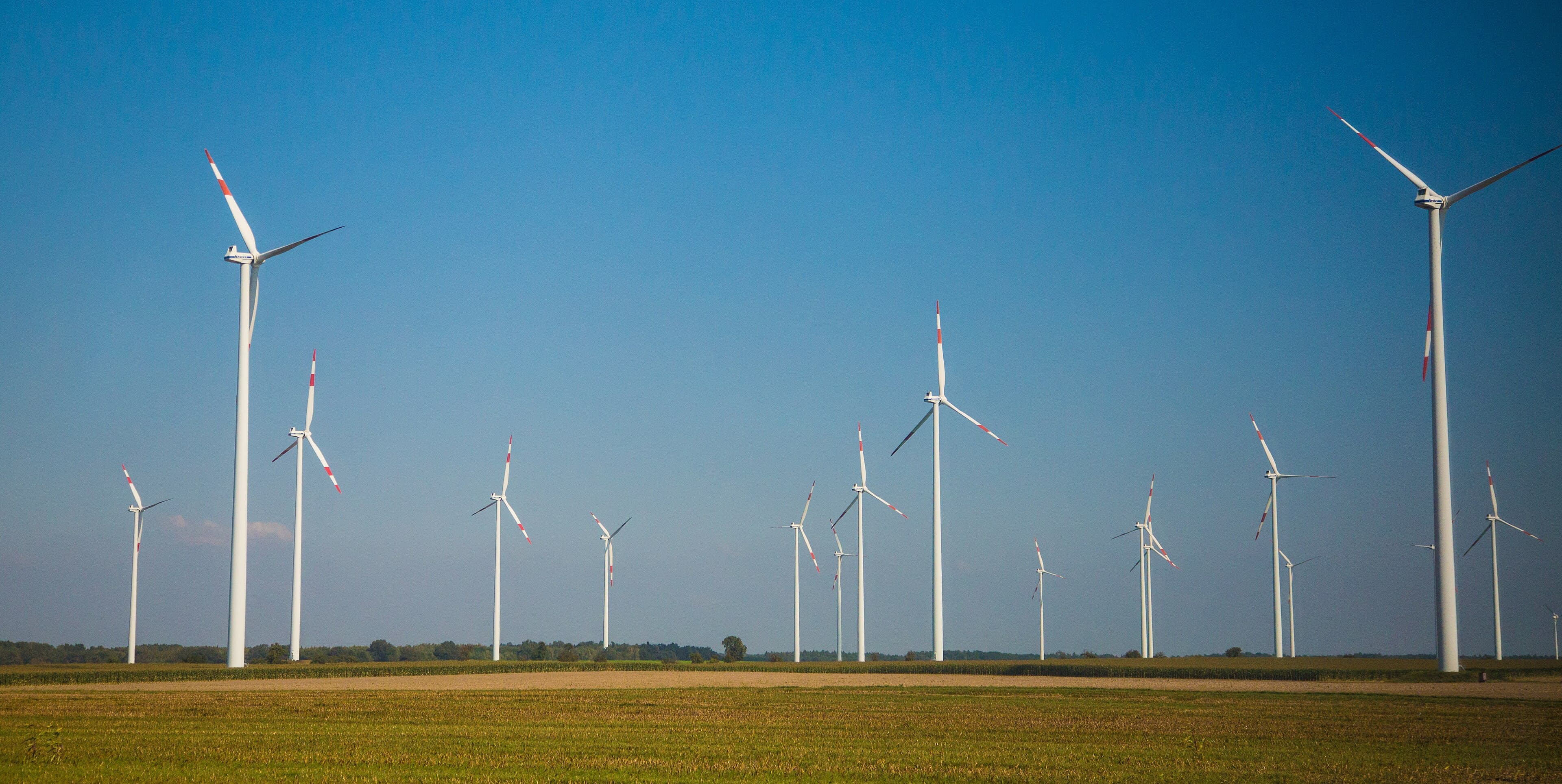
Kredit foto: Tony Webster/Wikimedia Commons
Amid recurring power outages and the costly consequences of geopolitical conflicts that have triggered a global energy crisis and driven up fossil fuel prices, Indonesia has been called to join a global coalition for renewable energy electrification. Why is this call significant?
The transition to renewable energy-based electrification offers a solution to the global energy crisis caused by geopolitical conflicts in the Middle East. This initiative was echoed during London Climate Action Week with the launch of the Electrify Now campaign, an initiative aimed at strengthening energy security while increasing economic competitiveness. Indonesia has also been called upon to accelerate the adoption of renewable energy in its electricity system, in line with the global ambition to increase the share of clean energy in electricity generation from 21% to 35% by 2035.
Maria Mendiluce, CEO of the We Mean Business Coalition, stated that electrification is a solution because it will be a key feature of global economic transformation in the coming decades. Rather than being overwhelmed by the energy crisis, corporations have turned to investing in electricity-based technology and infrastructure to boost business competitiveness and resilience, and countries, including Indonesia, will benefit from the ripple effects.
"Countries that can create an investment climate that supports electrification will shape the future job creation, new industries, and prosperity," she said in an official statement.
Speaking at the same event, Indonesia’s Minister of Environment, Jumhur Hidayat, also acknowledged the importance of developing a renewable energy-based electricity system. He stated that Indonesia should transition to clean sources of electricity by 2060.
"For Indonesia, this crisis is a wake-up call to accelerate our structural transformation by developing a clear energy transition roadmap," Jumhur said.
What is Renewable Energy Electrification?
Renewable energy electrification is the process of increasing the share of electricity generated from green energy sources such as hydropower, wind, and solar power to meet the electricity needs of various sectors. This renewable energy electrification initiative gained positive momentum during London Climate Action Week, June 20–28, 2026, launched by 40 global organizations and alliances supported by governments from around the world. The campaign calls on various stakeholders to engage in policies and actions to encourage investment in renewable energy, electricity grids, and energy storage systems amid rising electricity consumption.
Renewable energy electrification is gaining momentum as geopolitical conflicts have led to an oil and gas crisis, imposing economic losses of up to US$1 trillion or around Rp17,962 trillion.
As an illustration, global oil prices, both Brent and West Texas Intermediate (WTI), once reached over US$100 per barrel. In Indonesia, dependence on fossil fuels like gas has burdened various industries. The ceramics industry, for example, has been hit by a decline in natural gas supplies, forcing manufacturers to pay nearly double the usual gas price. Under normal conditions, gas prices are around US$7 per MMBtu. Meanwhile, additional regasification processes have pushed the average gas price to US$15 to US$16 per MMBtu.
In the electricity sector, due to the United States-Iran conflict since early 2026, coal prices have exceeded US$100 per ton. This was reflected in the coal reference price (HBA) as of June 15, 2026, where the medium-calorie coal required by PLN was priced at US$88.4 per ton. This price was 26.28% higher than the DMO price of US$70 per ton. If PLN were required to purchase medium calorie coal according to the HBA to meet its needs, it would cost US$1.77 billion (approximately Rp. 31.52 trillion), compared to Rp. 24.96 trillion under the DMO pricing scheme.
The surge in coal prices poses a significant risk to PLN, as coal remains the primary source of the national electricity generation mix, accounting for 64.87% as of April 2026. Ultimately, this price difference has the potential to trigger an electricity crisis, as recently occurred.
How to Reduce Dependence on Fossil Fuel?
In the midst of these conditions, reducing dependence on the use of fossil fuels, particularly in the industrial sector, is actually feasible.
Ceramics factories provide a clear example, as the drying process can be switched from gas-powered kilns to electric kilns. Compared with gas-powered furnaces, electric furnaces can reduce energy consumption by approximately 15% per kilogram of material fired. Furthermore, electric furnaces produce up to 70% less exhaust gas and minimize heat loss during the process, allowing for more precise temperature control.
Interestingly, electrification could transform other fossil fuel-based industrial sectors through power-to-X (P2X) technology. This technology uses renewable electricity to produce synthetic fuels and industrial chemicals through a process known as electrolysis, which converts electrical energy into chemical energy.
At the industrial level, this process has a wide range of applications, such as hydrogen production through the electrolysis of water. Furthermore, electrolysis can convert carbon dioxide into syngas and hydrocarbons. This process can also be used to produce ammonia, a raw material for batteries and fertilizers. Another example is the electrolysis of oxygen for the production of cleaning agents, such as hydrogen peroxide.
Electrifying industrial processes will also have a significant impact on gross domestic product (GDP), as this sector contributes 18.9% to GDP and employs more than 19.3 million workers. Furthermore, industrial activity contributes 34% to total national emissions.
Indonesia is well-positioned to embrace renewable energy electrification, given its enormous clean energy potential. The country has over 3,600 gigawatts (GW) of renewable energy resources, including solar, hydropower, wind, geothermal, and ocean energy. This opportunity is also reflected in PLN's 2025–2034 Electricity Supply Business Plan (RUPTL), which targets an increase in the share of renewable energy in the energy mix from 12% in 2024 to 34.3% in 2034, equivalent to an additional 42.1 GW of energy capacity.
As Indonesia considers joining the global renewable energy electrification coalition, the government must engage closely with key stakeholders, including PT PLN (Persero), to revise its 2025–2034 Electricity Supply Business Plan (RUPTL). The revised plan must accommodate President Prabowo Subianto's commitment to expand Indonesia's solar power capacity to 100 GW. This revision is crucial because the current RUPTL still includes an additional 16.6 GW of coal- and gas-fired power generation capacity, despite the country's ambition to build a low-carbon electricity system.
Building a low-carbon electricity system is also crucial because it aligns with the objectives of Indonesia's National Industrial Development Master Plan (RIPIN) 2015–2035. The master plan identifies two strategies: expanding industries that can increase energy availability and reducing the country's dependence on fossil fuels. Achieving these goals will require financial incentives for strategic industries that pursue innovation, including upgrading machinery and equipment.
Governments should strengthen requirements for large producers—especially high-emitting sectors like the steel industry—to publish and implement decarbonization roadmaps that link targets to actions. Such measures could boost green capital investment by 2025, which currently stands at a minimum of only 12–15% of the required level.
With greater capital investment, the renewable energy electrification strategy is not only a transition in the energy sector, but also a green transition in the industrial sector that has a significant impact on all economic activities.