El Nino’s Threat: How Indonesia Can Prevent Another Rolling Blackout
Bram Setiawan • Author
08 July 2026

32
• 5 Minutes Read
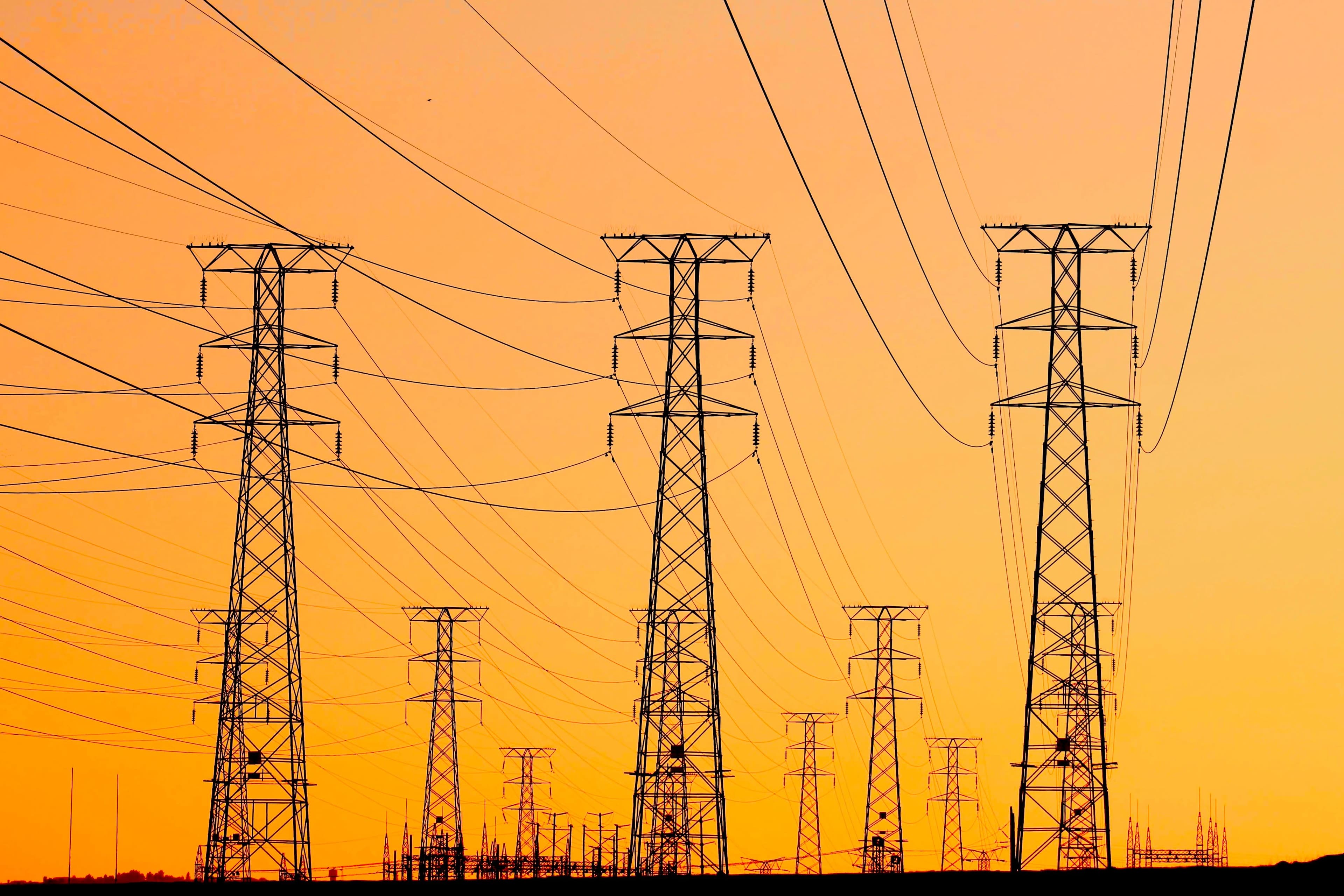
Image: Ntate Mohlala Sir/Pexels
Power outages that affected parts of Java and Sumatra are still occurring in many regions of Indonesia. Before the disruptions were resolved, Indonesia entered the El Niño period, a condition characterized by rising sea surface temperatures in the Pacific Ocean, causing drier air and less frequent rainfall. According to the Meteorology, Climatology, and Geophysics Agency (BMKG), El Niño is expected to last for nine to twelve months and its impacts can exacerbate dry conditions when it coincides with the dry season. The dry season is predicted to last until October.
The worsening dry season caused by El Niño poses challenges to the national electricity system. Coal-fired power plants (PLTU) are heavily dependent on coal supplies, but lower water levels in major transportation rivers like the Mahakam and Barito in Kalimantan can disrupt coal deliveries during El Niño. Similarly, hydroelectric power plants (PLTA) cannot operate optimally, while gas-fired power plants (PLTG) are also vulnerable to reduced efficiency due to rising temperatures.
Unfortunately, Indonesia's electricity system still relies heavily on large-scale power plants, which, if disrupted, can have far-reaching consequences, such as rolling blackouts with no clear end in sight.
How does hot weather affect Indonesia’s electricity system?
According to Indonesia's Ministry of Energy and Mineral Resources (MEMR), the country's installed power generation capacity reached 108 gigawatts (GW) as of April 2026. Of this capacity, 56%, or 60.53 GW, came from coal-fired power plants. This heavy reliance on coal-fired power plants increases the vulnerability of Indonesia's electricity system during El Niño events.
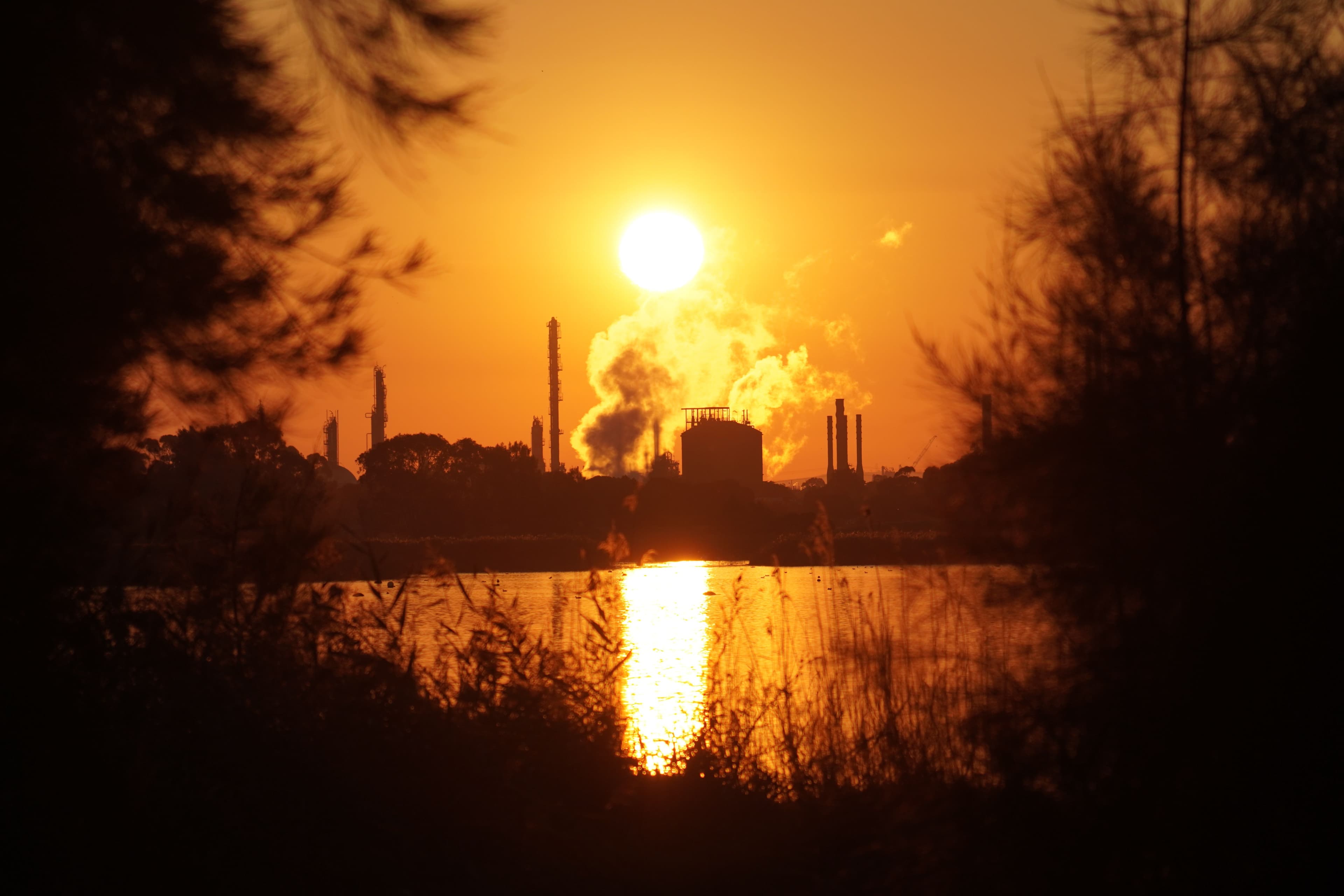
Rising sea temperatures and hot weather can also disrupt the operation of coal-fired power plants (PLTU). This is because many PLTUs, especially those located in coastal areas, use seawater as a condenser coolant. Rising seawater temperatures reduce the cooling system's ability to remove heat, thereby reducing the power plant's coal combustion efficiency. This extreme heat reduces the plant's operating capacity (derating) and, under certain conditions, has the potential to disrupt operations.
Warmer sea temperatures associated with El Niño also trigger jellyfish population explosions. When these explosions occur, large numbers of jellyfish can be attracted to coastal coal-fired power plants that rely on seawater for condenser cooling. A similar incident occurred in 2016, forcing the Paiton coal-fired power plant—one of Indonesia's largest, located in East Java—to shut down for 20 days.
These risks not only threaten the coal-fired power plant (PLTU) but also the coal supply chain itself. In coal-producing areas of Kalimantan, most coal is transported via rivers using barges. During the dry season, lower river levels can disrupt barge traffic.
For example, the Mahakam River's water level dropped drastically during El Niño in 2015. As a result, barges were forced to reduce their cargo load by up to 50 percent, increasing the cost of transporting coal from Kalimantan. In August 2019, the Mahakam River's water level dropped, creating 14 shallow sections and sediment buildup, halting the movement of large barges for three days. The reduced water flow in the Barito River in 2023 led several producers to file force majeure claims because barges could not dock.
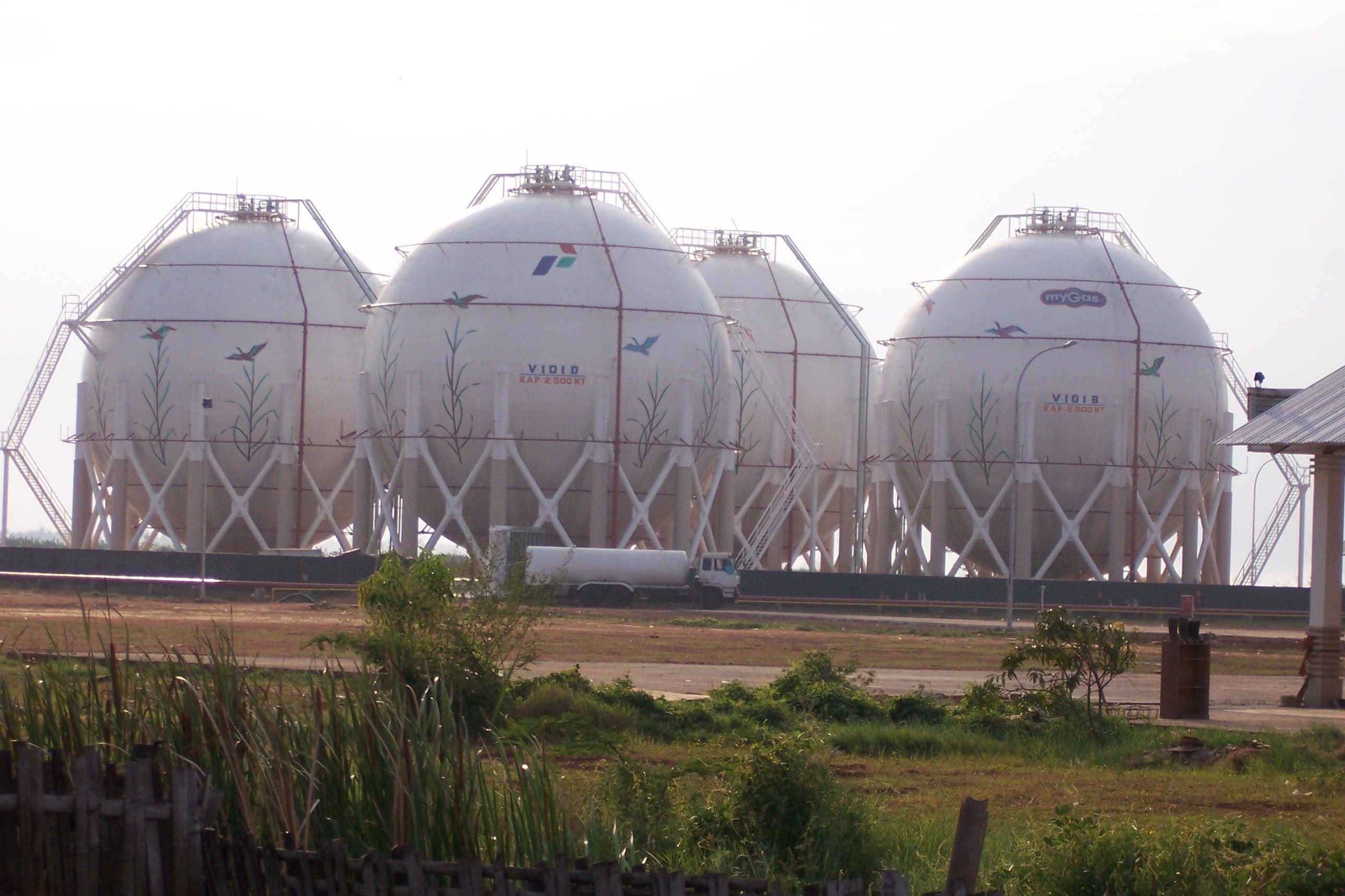
Gas-fired power plants are also vulnerable during hot weather. These thermal power plants rely on ambient air for the combustion process to generate electricity from natural gas. As air temperature increases, the inlet air density decreases, reducing the amount of air entering the gas turbine. This reduces the plant's thermal efficiency and power output. In Indonesia, the installed capacity of gas-fired power plants reaches 24.72 GW, or 23%.
Hydroelectric power generation is one of the electricity sources most visibly impacted by El Niño. As water levels in reservoirs drop, the amount of water available to drive turbines decreases, reducing electricity production. In Indonesia, installed hydroelectric capacity is 7%, or 7.6 GW. The history of hydroelectric power generation problems due to El Niño-induced droughts can be traced back to the 2023 blackout in South Sulawesi.
At the time, 35% of South Sulawesi's electricity came from hydropower plants. For example, the Bili-bili hydropower plant in Gowa stopped operating for nearly three months due to a drastic drop in the reservoir's water level. Similar problems occurred outside Sulawesi; from 2012 to 2019, six hydropower plants in Central Java and four in Sumatra were offline due to water shortages.
Large-scale power plants are not the solution
Indonesia needs an electricity system that maintains a constant balance between energy generation and consumption. When large power plants experience temporary capacity cuts, it's the public who bears the brunt of widespread power outages.
El Niño is a recurring and periodic natural phenomenon, and its various risks must be minimized to prevent major disruptions to electricity supply. This is because the vulnerability of Indonesia's electricity sector is still being addressed reactively, not as part of an integrated national strategy.
According to the International Energy Agency (IEA), the reliability of an electric power system depends not only on generating capacity but also on the operational flexibility and reliability of the transmission network. This includes the transmission network's ability to deliver electricity from areas with a power surplus to those experiencing a shortage. Therefore, thorough inspections of the transmission and distribution network should be conducted before the dry season, especially if accompanied by El Niño.
Indonesia actually has the potential to build a distributed electricity system utilizing renewable energy as a long-term measure. One such approach is the development of rooftop solar power plants (PLTS) and other local energy sources, which would enable local residents to become not only electricity consumers but also producers. With proper system design, communities can increase energy resilience in the event of disruptions to the centralized electricity system. Otherwise, Indonesia would remain dependent on coal-fired energy from large-scale power plants.
Community-based renewable energy development also supports local energy self-sufficiency, which also has economic benefits. This way, communities are not continually disadvantaged by having their right to consume electricity restricted by Indonesia's continued reliance on large-scale power plants.